Mastering Pastry: Essential Techniques for Beginners
Chef Elena Dubois
Award-winning pastry chef and PHCA instructor
A comprehensive guide to fundamental pastry-making skills including dough preparation, temperature control, and achieving perfect textures.
Pastry-making combines precision, patience, and practice. While it may seem intimidating, mastering fundamental techniques provides a foundation for creating everything from flaky croissants to delicate tarts. This guide covers essential skills every aspiring pastry chef should know.
Understanding Ingredients
Pastry success begins with understanding your ingredients. Flour provides structure through gluten development, but too much mixing creates tough pastry. Fat (butter, shortening, or lard) creates flakiness and tenderness. Liquid hydrates flour and activates gluten. Sugar adds sweetness and affects texture. Salt enhances flavor.
Temperature matters enormously. Cold butter creates steam pockets during baking, producing flaky layers. Room temperature ingredients blend more easily for cake batters. Understanding when to use which temperature is crucial for success.
Essential Techniques
Rubbing In: This technique incorporates fat into flour for pastries and crumbles. Rub butter pieces into flour using fingertips until the mixture resembles breadcrumbs. Work quickly to prevent butter from melting.
Folding and Laminating: Creating layered pastries like croissants or puff pastry requires folding butter into dough repeatedly. Each fold creates more layers, producing ultra-flaky results. This technique demands patience and attention to temperature.
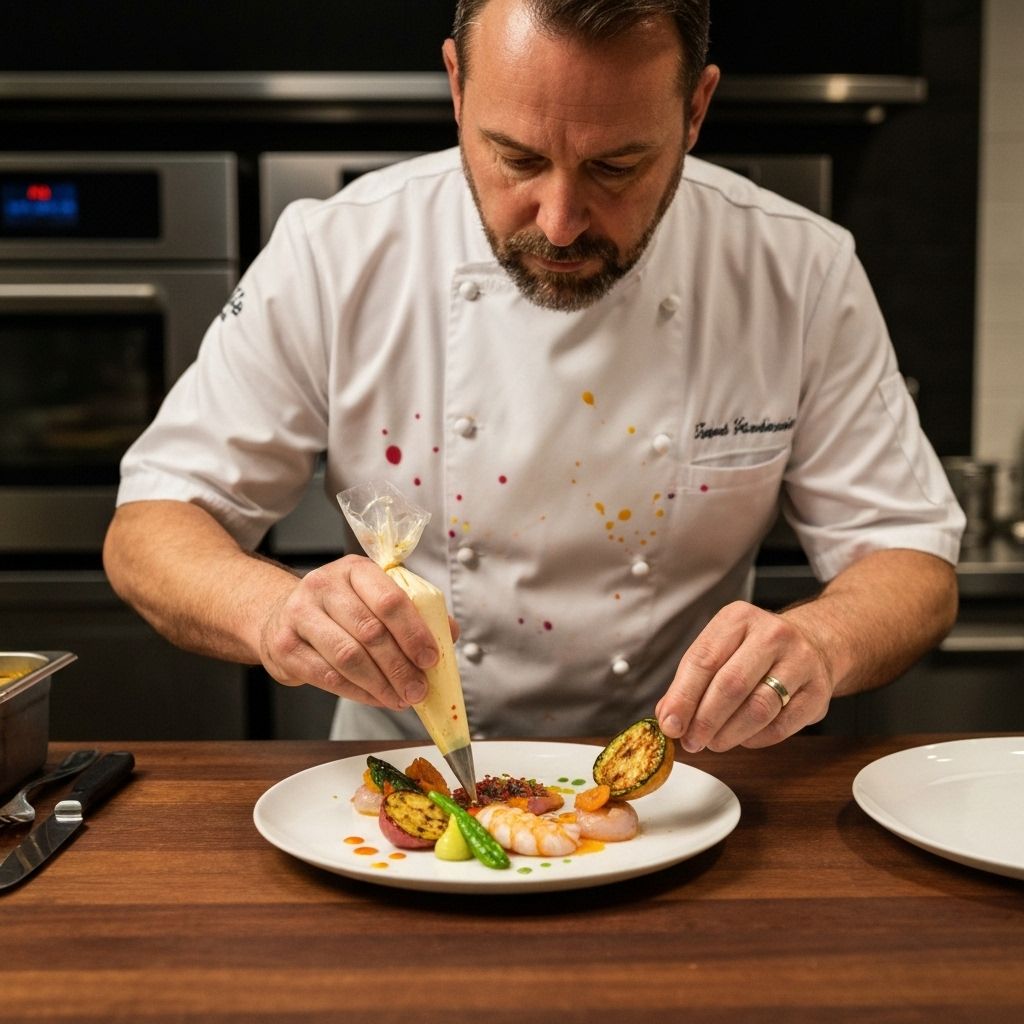
Piping: Controlling a pastry bag takes practice. Start with basic techniques like piping dots or rosettes before attempting more complex designs. Consistent pressure and steady hand movement are key.
Temperature Control
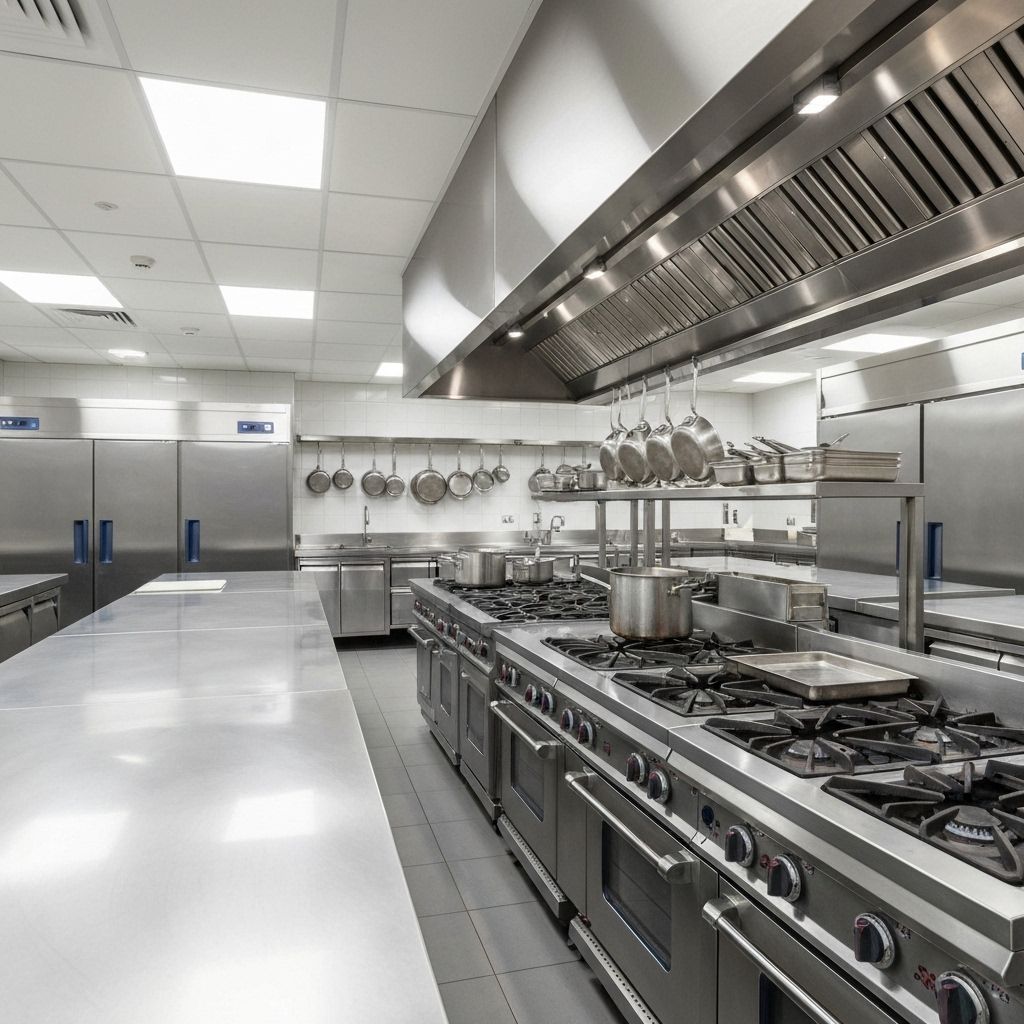
Professional pastry kitchens maintain cool temperatures for a reason. Warm kitchens can melt butter in dough before baking, compromising flakiness. If your kitchen is warm, chill ingredients, equipment, and even the counter surface.
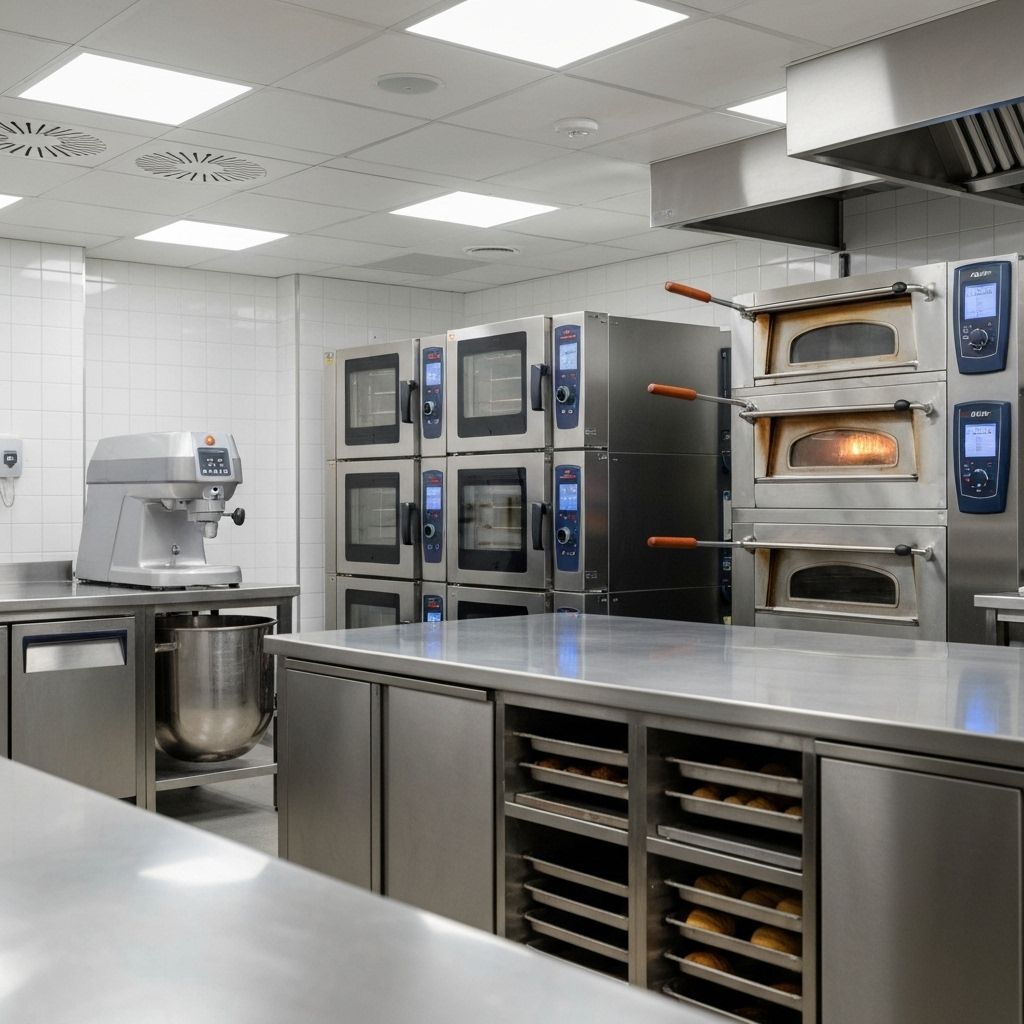
Oven temperature accuracy is equally important. Invest in an oven thermometer to verify temperature. Most pastries need initial high heat to create steam and rise, then lower temperatures to cook through without burning.
Common Mistakes to Avoid
Over-mixing develops too much gluten, creating tough pastry. Under-mixing leaves pockets of flour. Finding the balance comes with experience. Over-handling also warms dough excessively – work quickly and confidently.
Don't skip resting times. Chilling dough relaxes gluten and re-solidifies butter, making pastry easier to roll and producing better results. Patience here prevents frustration later.
Practice and Persistence
Pastry-making rewards practice. Keep notes on what works and what doesn't. Pay attention to environmental factors like humidity and temperature. With time, you'll develop an intuitive sense for dough consistency and baking times. Remember, even experienced pastry chefs sometimes have batches that don't turn out perfectly – it's part of the learning process.