Pizza Course vs YouTube Tutorials: Can You Really Learn Pizza Making Online in Nepal?
PHCA Editorial Team
Pacific Hospitality & Culinary Academy, Kathmandu
Can you learn pizza making from YouTube in Nepal? See what online tutorials miss and when a hands-on course pays off. Compare your options today.
Can You Learn Pizza Making From YouTube?
Yes, you can learn pizza-making basics online, from mixing dough and making sauce to baking a decent pizza at home. But professional-level skills need hands-on training with real-time feedback. That includes judging dough by feel, adjusting for Kathmandu's altitude and weather, running commercial ovens, and staying consistent during a rush.
If you want to make pizza for your family on a Saturday, free tutorials will serve you well. If you want to make pizza for paying customers, whether in someone else's kitchen or your own café, the gap between a video and a working kitchen becomes very expensive very quickly.
Why Pizza Skills Matter
Pizza has become one of the most familiar non-Nepali foods in Kathmandu. It's on the menu at tourist cafés, hotels, restaurants, and a growing number of cloud kitchens across Kathmandu.
Many cafés that once relied on one or two frozen-base pizza options now highlight hand-stretched, wood-fired, or stone-baked pizzas as a key point of difference. That shift has raised the bar for pizzas in Kathmandu. For café owners, inconsistent pizza means wasted ingredients and customers who don't come back. For cooks, it means the bar for getting hired is higher, as employers now want someone who can run a pizza station reliably, not just someone who has made pizza at home a few times.
So the question isn't just whether you learn pizza making online. It's whether online learning gets you to the standard Kathmandu's kitchens now expect.
What Online Pizza Tutorials Do Well
It's worth being fair here. YouTube and online recipe sites genuinely help in several ways:
- They're free. You can watch world-class pizzaiolos demonstrate techniques without spending a rupee.
- They're great for basics. Mixing a simple dough, making tomato sauce and learning common pizza styles are all well covered online.
- They inspire. Seeing Neapolitan, New York or Roman-style pizza made by experts shows you what's possible.
- You learn at your own pace. You can pause, rewind and rewatch as often as you need.
For a home cook, that's often enough. The problems start when you try to move beyond the home kitchen.
What Online Tutorials Can't Teach You
Dough that behaves differently in your kitchen
Most pizza tutorials are filmed in controlled kitchens, often near sea level, but dough behaves differently depending on altitude, humidity and temperature. At higher altitudes, it can rise faster than a recipe predicts, leaving you with over-proofed dough that collapses in the oven.
Weather adds to the challenge. Humid days turn dough slack and sticky, while cold kitchens slow fermentation to a crawl. A video can't adjust for your conditions, but an instructor working alongside you can.
Judging dough by feel
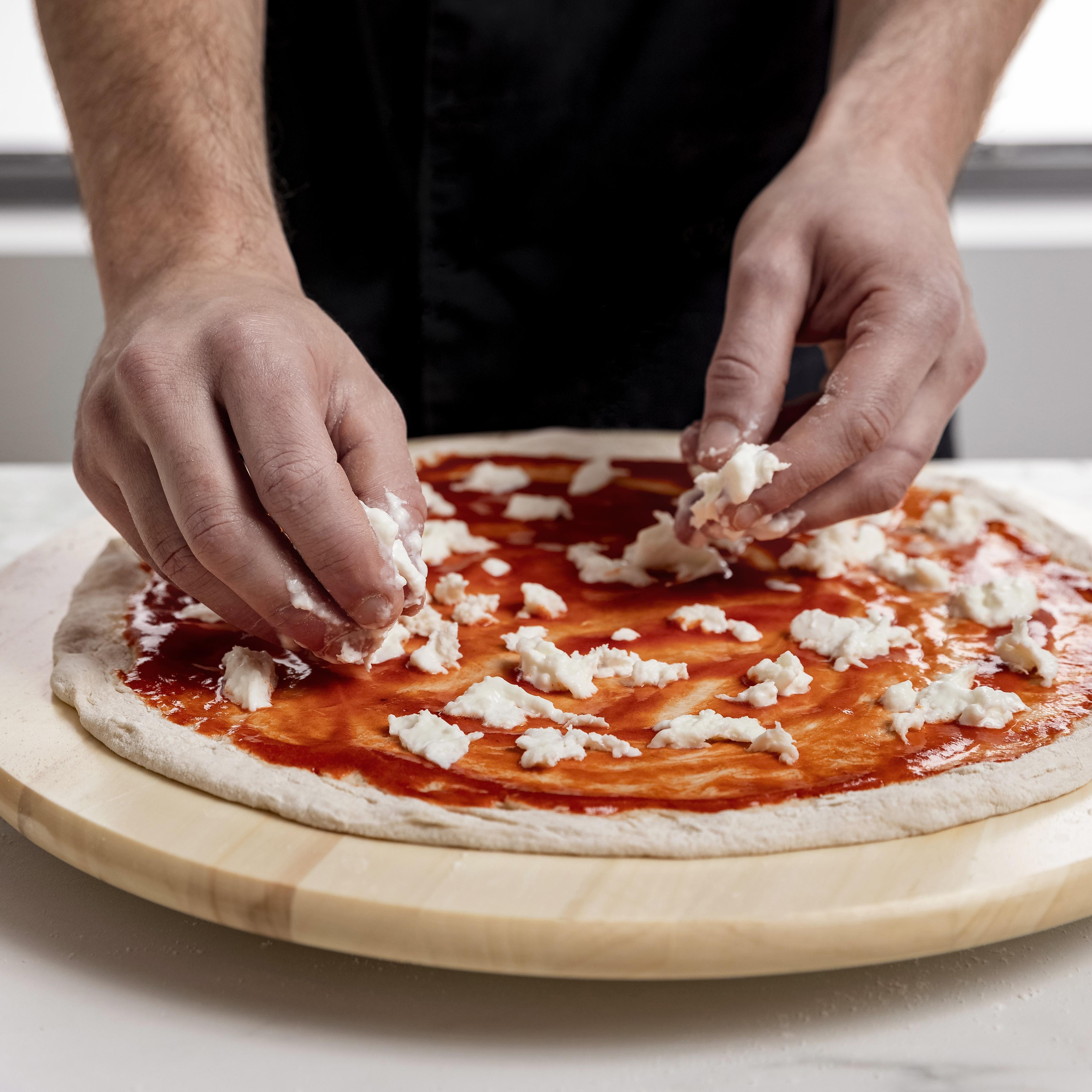
Great pizza makers rarely rely on timers alone. They know when dough is ready by how it feels, stretches and springs back. A video can describe that feel, but it can't tell you that your dough needs another ten minutes. In a hands-on pizza course, an instructor corrects you in the moment, which is how that judgement actually develops.
Commercial ovens and equipment
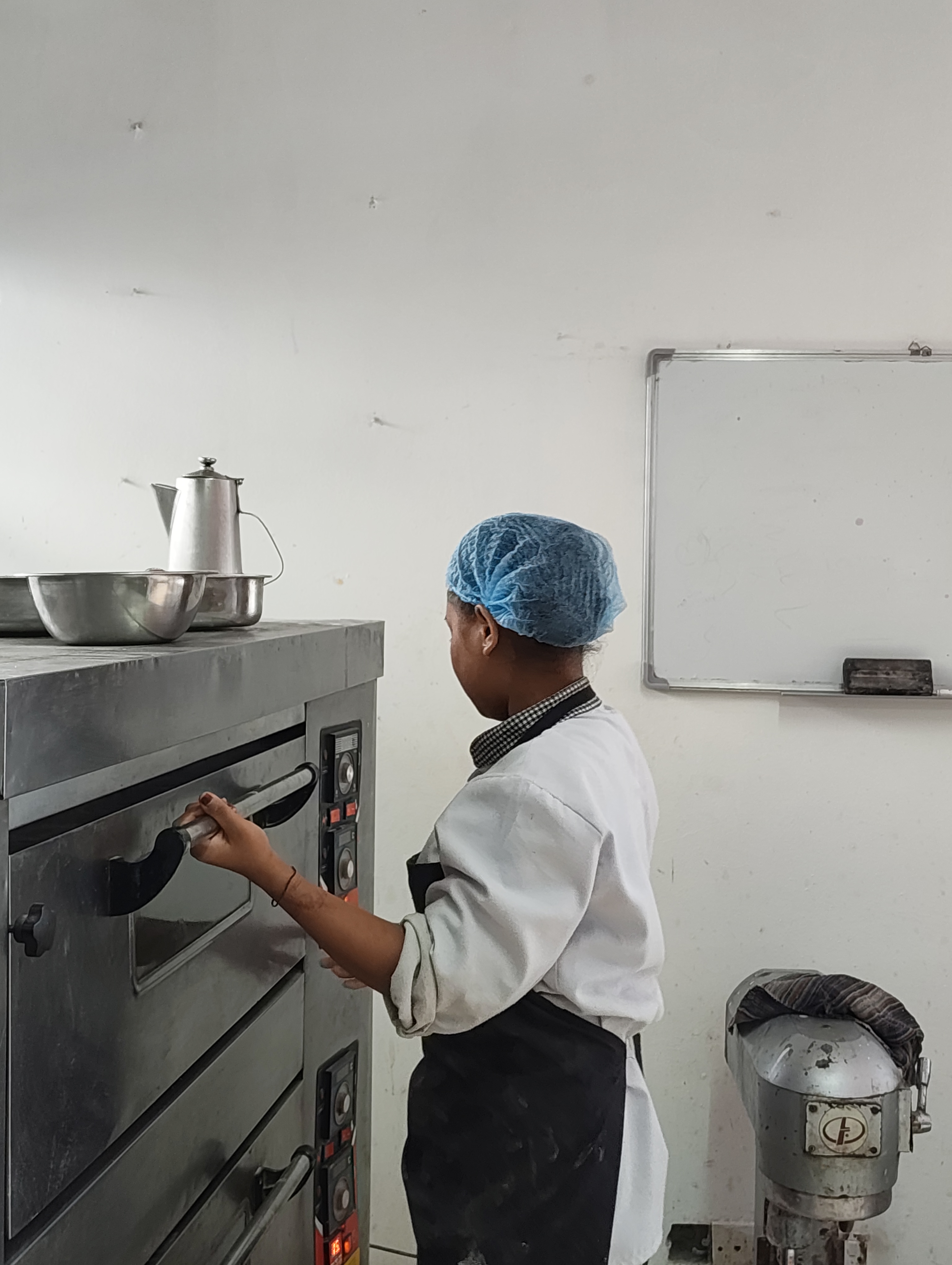
Most tutorials use home ovens or small backyard pizza ovens. Commercial kitchens in Kathmandu use deck ovens, gas-fired pizza ovens and wood-fired ovens that run far hotter and behave very differently. Managing heat zones, rotating pizzas and loading and unloading with a peel at speed are skills you can only learn with the equipment in front of you.
Speed and consistency under pressure
Making one great pizza in an hour is a hobby. Making thirty consistent pizzas during a Friday dinner rush is a job. Tutorials rarely cover portioning dough balls for a full service, setting up a station, or keeping quality steady when orders pile up.
Working with local ingredients
Online recipes often rely on ingredients that can be expensive, difficult to source, or simply unavailable locally, such as imported Italian flour, which can cost several times more than regular flour. A good trainer teaches you when local flour and cheese will do the job and when an imported ingredient is worth the price. That judgement directly affects a café's food costs.
Which Should You Choose?
Choose online tutorials if you're a home cook making pizza for family and friends, enjoy experimenting, and don’t mind the occasional failed attempt that results in a less-than-perfect dinner.
Choose a hands-on pizza course if you want to:
- Get hired in a café, restaurant or hotel kitchen
- Open a pizza café, cloud kitchen or delivery business
- Fix inconsistent pizza quality in a menu you already run
- Build a specialist skill before working in kitchens abroad
Many students do both. They watch tutorials for ideas and inspiration, and rely on structured training for the skills that actually get them hired. PHCA's course is taught by a professional pizzaiolo and follows a practical approach, with flexible 1-week, 2-week, and 1-month training options. Designed for hands-on learning, the course focuses on developing practical skills and consistent results, not simply following recipes.
For a detailed look at the modules and where the course can lead, read What to Expect From a Professional Pizza Making Course at PHCA Kathmandu.
Learn Pizza Making the Professional Way
YouTube can teach you to make pizza, but a hands-on course teaches you to make it professionally, in Kathmandu conditions, every time. If you're ready to turn pizza into a skill you can earn from, explore PHCA's Pizza Making Course or apply through admissions to join the next batch.