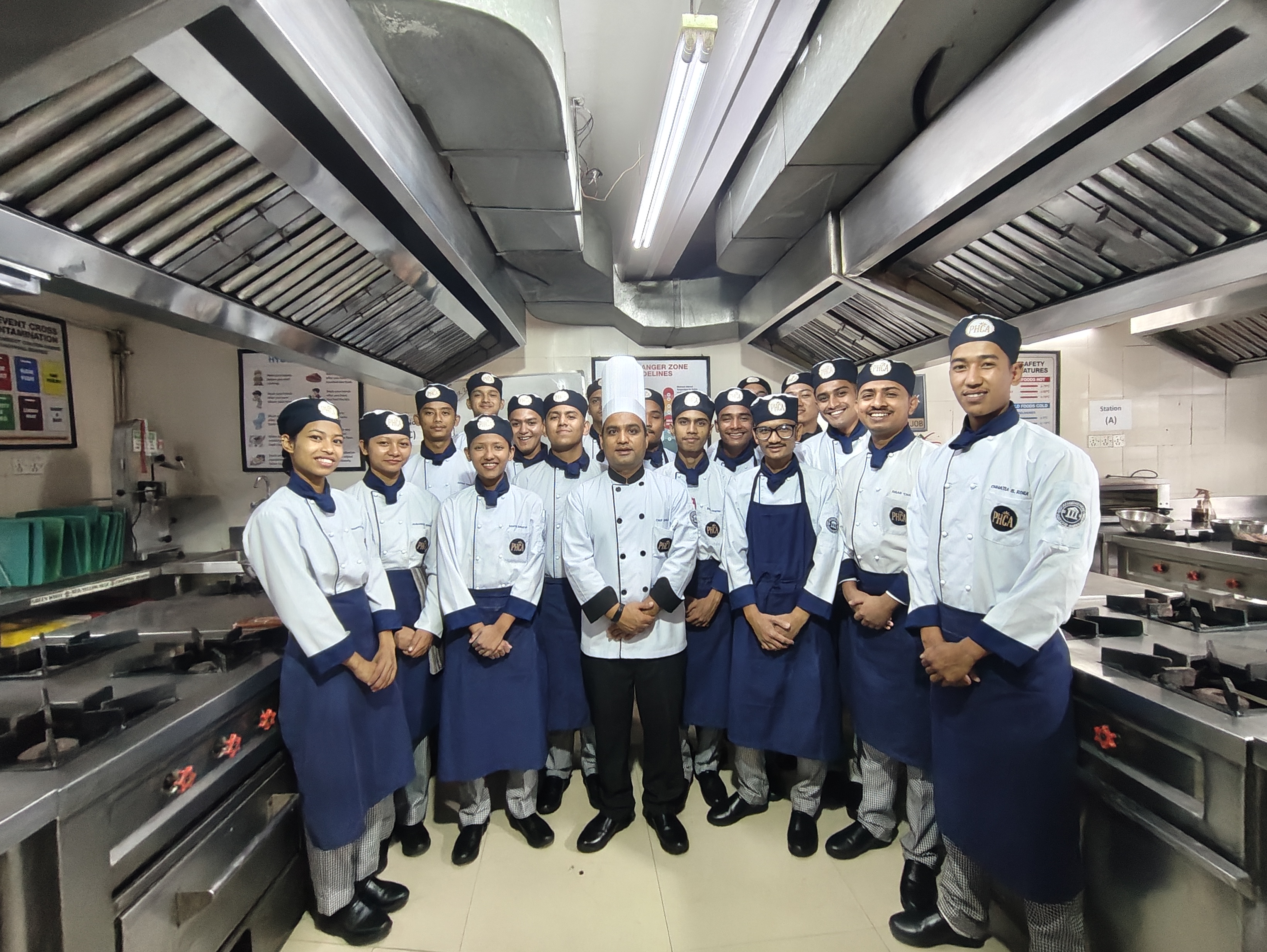
Commercial Cookery Career Pathways
PHCA Editorial Team
Pacific Hospitality & Culinary Academy, Kathmandu
Discover real career pathways a commercial cookery course in Kathmandu can open, from hotel kitchens in Nepal to chef jobs abroad. See where PHCA graduates go.
A commercial cookery course in Kathmandu can lead to distinct career paths beyond standard restaurant jobs. The right pathway depends less on talent and more on your qualification, internship hours, and whether your course carries international accreditation.
1. Commis Chef or Line Cook
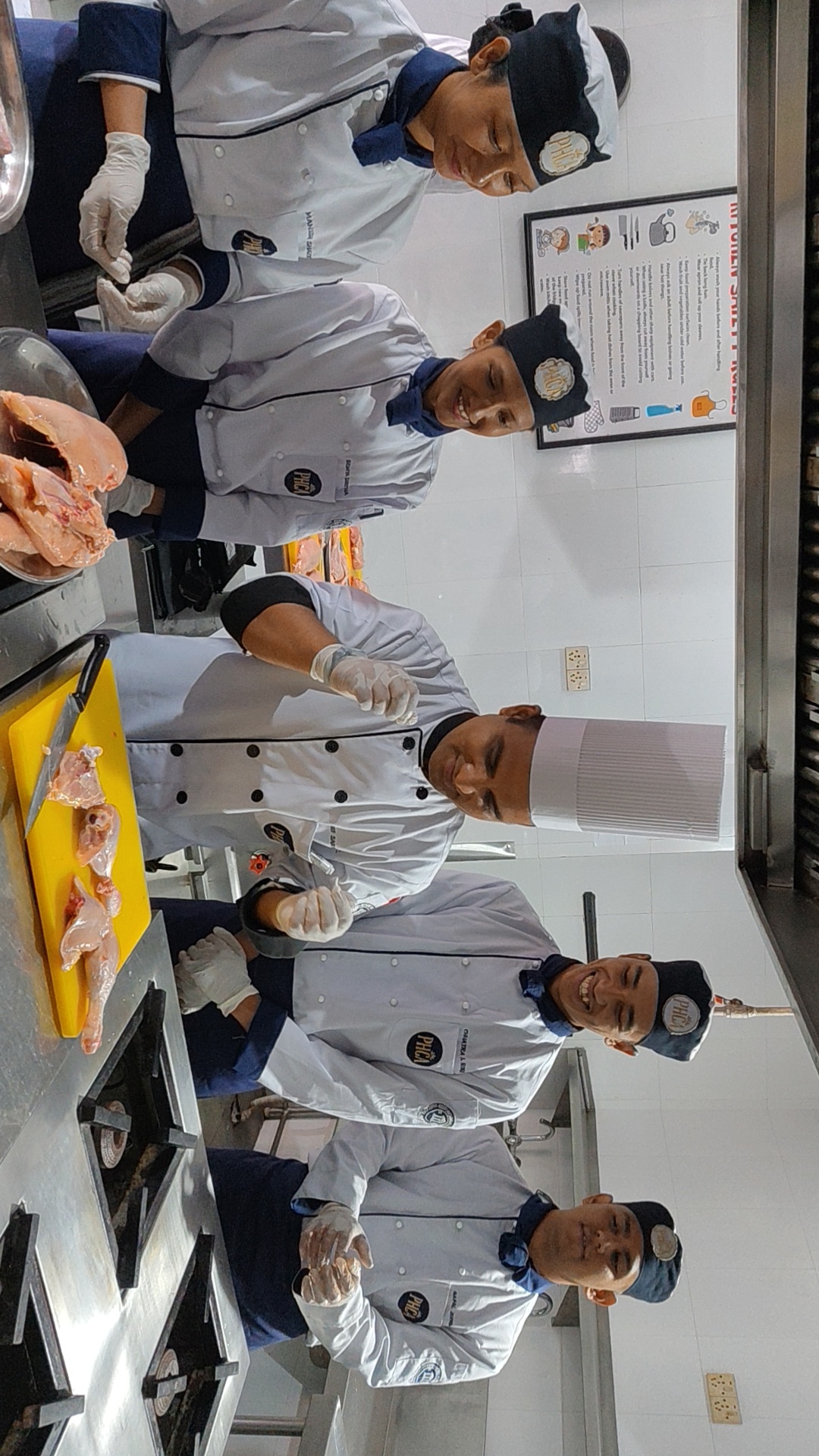
This is one of the most direct career pathways after completing a Commercial Cookery course and is often graduates' first step. A commis chef is a junior member of the kitchen team who works under a head chef or chef de partie, gaining hands-on experience across different areas of kitchen operations.
Entry-level roles like this are typically open to anyone holding a Certificate III in Commercial Cookery. Internship placements completed as part of the course often provide a direct pathway to paid positions afterwards. Kathmandu's hotel sector has grown steadily since the pandemic recovery, and properties partnered with training academies tend to hire their own interns first, as they require less onboarding and training.
A Certificate III–level qualification, completed internship hours in a live kitchen, and comfort working a fast station during service: PHCA's Advanced Diploma in Commercial Cookery III is built around exactly this kind of placement pathway, with internships arranged through partner hotels in the city.
2. Catering and Event Chef
Not every commercial cookery graduate wants to work in someone else's kitchen forever. A second, less talked-about path is catering. Weddings, corporate events, and private functions are a large and growing part of Nepal's food economy. A formal background in commercial cookery gives you a strong advantage over self-taught competitors, with proper food safety knowledge, portion costing, and menu planning that scales past a home kitchen.
This path usually starts with a few years of experience in a hotel or restaurant kitchen to build speed, supplier relationships, and a reputation. The same core cookery qualification, time spent in high-volume service, and ideally some exposure to food costing and menu design is enough to start your own catering business.
3. Kitchen Supervisor or Sous Chef
After two to four years on the line, many commercial cookery graduates move into supervisory roles. This typically involves overseeing a kitchen section or shift, mentoring and training junior commis chefs, and monitoring food costs and wastage within their area of responsibility. Supervisory roles are usually reserved for staff who've completed further training, not just clocked hours.
This path suits people who like the kitchen but want more responsibility for planning and people, not just plating. It's also the natural stepping stone toward head chef roles further down the line, in Nepal or abroad.
You will need several years of section experience, plus additional qualifications. This is where progressing into PHCA's Diploma in Culinary Arts becomes the difference-maker for promotion timelines.
4. Sponsored Chef Roles in Australia, the UAE, and Other Overseas Markets
This is the pathway most people have in mind when they think about building a career abroad. But it also requires more demanding qualification requirements. Skilled migration and employer-sponsored chef pathways in countries such as Australia generally require a diploma or higher qualification that is recognised by the relevant accreditation authorities. A certificate obtained solely in Nepal may not be sufficient on its own.
This is where course accreditation becomes important. PHCA’s programs are accredited by Australian Pacific International College, giving graduates qualifications that are recognised for skilled hospitality roles in Australia. PHCA graduates have also gone on to work as chefs at establishments such as Enzo’s Cucina in NSW, Australia, and Al Hallab Restaurant & Sweets in Dubai.
5. Restaurant Owner or Head Chef of Your Own Kitchen
Some graduates take everything they've learned in someone else's kitchen and eventually open their own restaurant or cafe. This pathway typically requires several years of experience in supervisory or head-chef roles, where you develop skills beyond cooking, including food costing, supplier management, and staff leadership.
A formal commercial cookery background can be more important than many people expect. Banks, investors, and landlords are more likely to view a food business as credible when the owner has recognised qualifications and professional kitchen management experience, rather than relying solely on home-cooking skills.
Which Path Should You Aim For?
If your goal is simply to start working as a chef, a Certificate III Commercial Cookery course and a hotel internship is the fastest route. If you're thinking further ahead into supervisory roles or visa-sponsored positions abroad, it is worth planning for a diploma-level qualification from the outset rather than upgrading later, since accreditation and diploma level are exactly what overseas employers and migration pathways filter on.
PHCA's Advanced Diploma in Commercial Cookery III is a one-year program built for hands-on kitchen training, internship placements with hotels in Kathmandu, and Australian Pacific International College accreditation that keeps the door to an international career genuinely open. Since 2016, PHCA has placed 500+ graduates with a 100% placement rate. If you're weighing which of these paths fits you, explore the course page or apply through admissions to talk it through with the team.