How to Choose the Right Course for a Career or Bakery Business
PHCA Editorial Team
Pacific Hospitality & Culinary Academy, Kathmandu
Choosing baking classes in Kathmandu? Explore baking careers, how to start a bakery in Nepal, and how to pick the right course.
Nepal’s food scene has grown quickly over the past decade, with more cafes, bakery chains and dessert shops opening every year. Breads, pastries and bakery snacks are now part of everyday life for many young people, and celebration cakes remain a must for birthdays, weddings and festivals. For anyone looking at baking classes in Kathmandu, that growth means real opportunity.
This demand is coming from several directions at once. Social media has made it easy for home bakers to take orders online, hotels and resorts serving tourists need trained bakery staff, and skilled bakers are sought after in hospitality jobs overseas. Whether you want to work in Nepal, move abroad or sell your own cakes, practical, professional baking skills can open the door.
Career Opportunities
A baking career in Nepal can start in several places, and most of them value hands-on skill and experience more than qualifications alone.
Hotels and Resorts
Hotel bakeries produce breads, pastries and desserts every day for breakfast buffets, restaurants and events. Most people start as a bakery assistant or commis and, with experience, work their way up towards pastry chef.
Cafés and Bakery Shops
Cafés and bakery shops need people who can produce consistent results early in the morning, keep the display full and handle custom cake orders. The pace is fast, which makes this one of the quickest ways to build speed and confidence.
Cruise Ships and Overseas Jobs
Many young Nepalis look for bakery jobs abroad from Nepal, whether in the Gulf, Europe, Australia or on cruise ships. Overseas employers usually look for practical skills, work experience, a recognised certificate and basic English. Be wary of agents who promise guaranteed jobs or visas; no genuine agent or course can do that.
Starting Your Own Bakery Business
For many bakers, the long-term goal is a bakery business of their own in Nepal, whether that’s a home cake business, a small bakery shop or a cafe. Running one takes more than good recipes. Consistency, pricing and safety are all equally important. If you’re wondering how to open a bakery in Nepal, these are the basic steps:
- Get trained and gain experience. Learn the craft properly and, if possible, work in a bakery before going out on your own.
- Choose your business model. A home or online cake business costs less to start than a shop or cafe.
- Plan your menu and costs. Know your best-selling products and what each one costs to make.
- Register your business. Complete business registration and get the food licences your local authority requires.
- Set up equipment and suppliers. Buy the right equipment for your menu and find reliable ingredient suppliers.
- Start small and grow. Test your products, build customers through social media and word of mouth, then expand.
Which Course Is Best for You?
Once you know where you want baking to take you, choose the right course. Two decisions matter most: what to study, and how to study it.
Bakery vs Confectionery
The two terms are often used together, and many institutes offer a combined bakery and confectionery course. However, each focuses on different products and skills.
Bakery covers breads, cakes, pastries and cookies, with core skills such as dough handling, fermentation, lamination and oven control. These skills lead to work in hotel bakeries, cafés and bakery shops. Confectionery focuses on chocolates, sweets, sugar work and decorative items, and builds skills in chocolate tempering, sugar cooking, moulding and decorating. It suits work in patisseries, chocolate shops, and dessert and cake studios.
If you’re new to baking, start with bakery. It teaches the foundations that confectionery builds on and opens the widest range of jobs. Once you know the basics, you can specialise. If chocolate work interests you, explore PHCA’s Artisan Chocolate Making Course.
Online vs Hands-On
Online baking classes in Nepal have become popular, and they have real benefits. They cost little or nothing, and you can learn anytime, anywhere, using your own oven and tools. They’re great for learning recipes, exploring baking as a hobby or finding out whether you enjoy it. However, you get little or no feedback on your technique; it’s hard to pick up professional kitchen habits on your own, and online certificates often carry limited weight with employers.
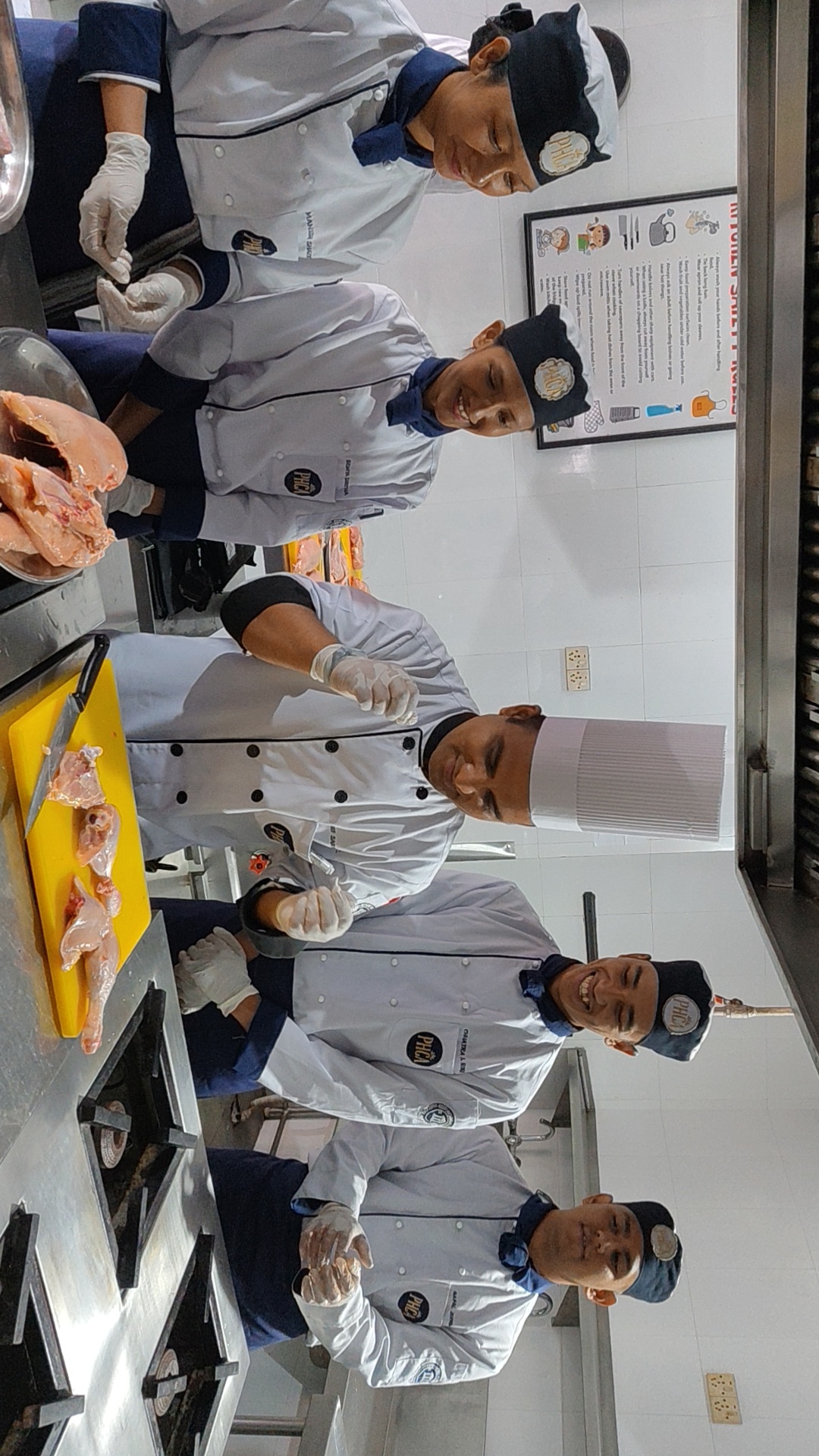
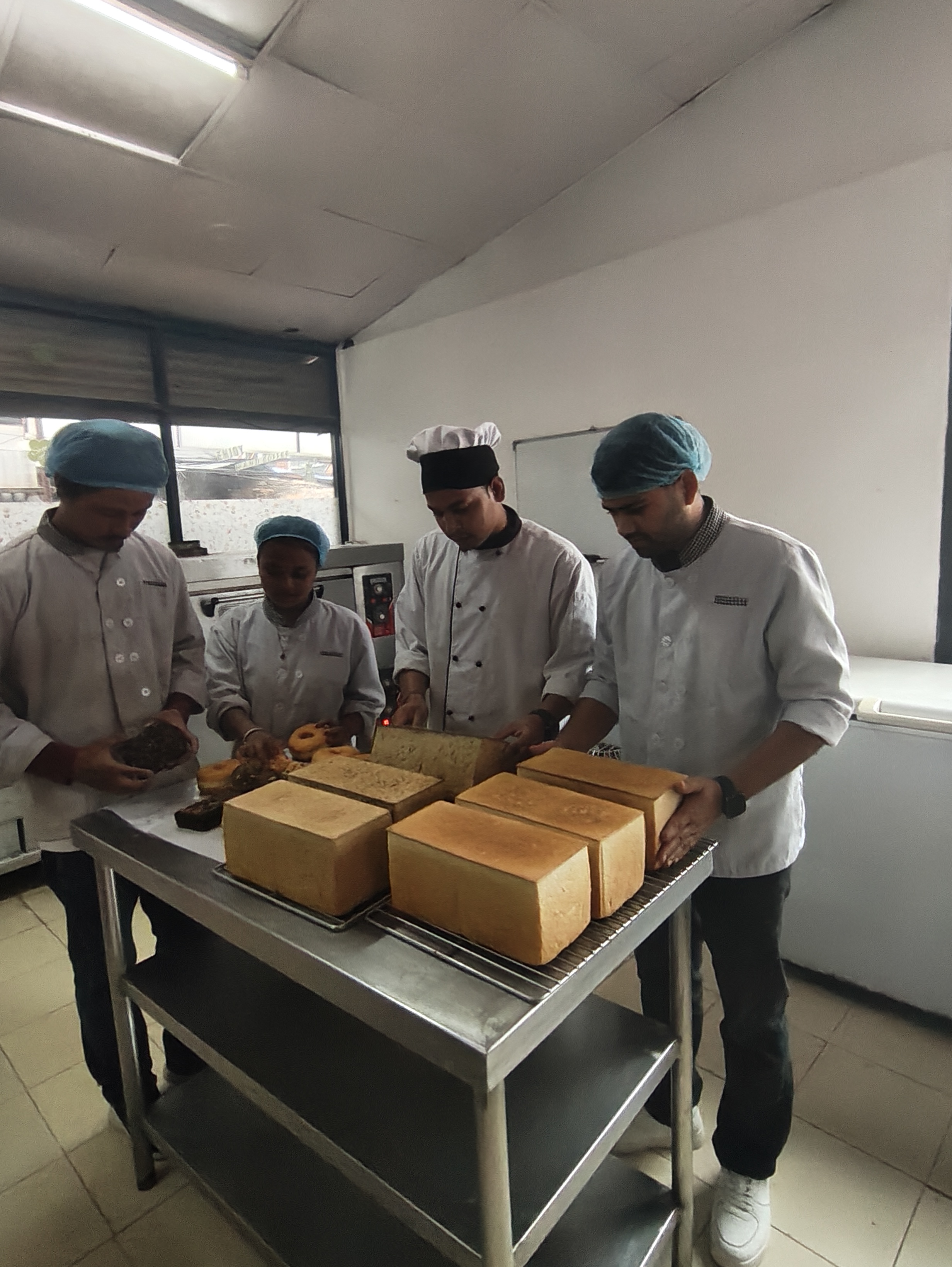
Hands-on classes cost more and follow a fixed timetable, but an instructor corrects you in real time, and you train on commercial ovens, mixers and proofers. Hygiene, timing and teamwork become part of how you work, and the certificate is usually stronger, as long as it comes from a recognised issuer. This matters because baking is a physical skill. Knowing how a dough should feel, or when a croissant is properly proofed, is hard to learn from a screen.
If you want a job or plan to start a business, hands-on training is the safer choice. Many students use both: online lessons to explore, then a practical course to build real skills.
Baking in Nepal is no longer just a hobby. With more cafés, hotels and home businesses than ever, plus strong demand for skilled bakers overseas, it can be a real career or the start of your own business. Whichever path you choose, it begins with the right training. Start with bakery to build a strong foundation, add confectionery to specialise, and choose hands-on classes if you’re serious about working in a professional kitchen. When comparing baking classes in Kathmandu, look for plenty of practical hours, experienced chef instructors, and a certificate employers recognise.
Ready to start? Explore PHCA’s Bakery Course and get in touch with the admissions team for further information.