What Is Commercial Cookery III? A Beginner's Guide to the Industry
PHCA Editorial Team
Pacific Hospitality & Culinary Academy, Kathmandu
New to Commercial Cookery III in Nepal? See the course description, duration and career paths from CTEVT basics to becoming a chef de partie or head chef.
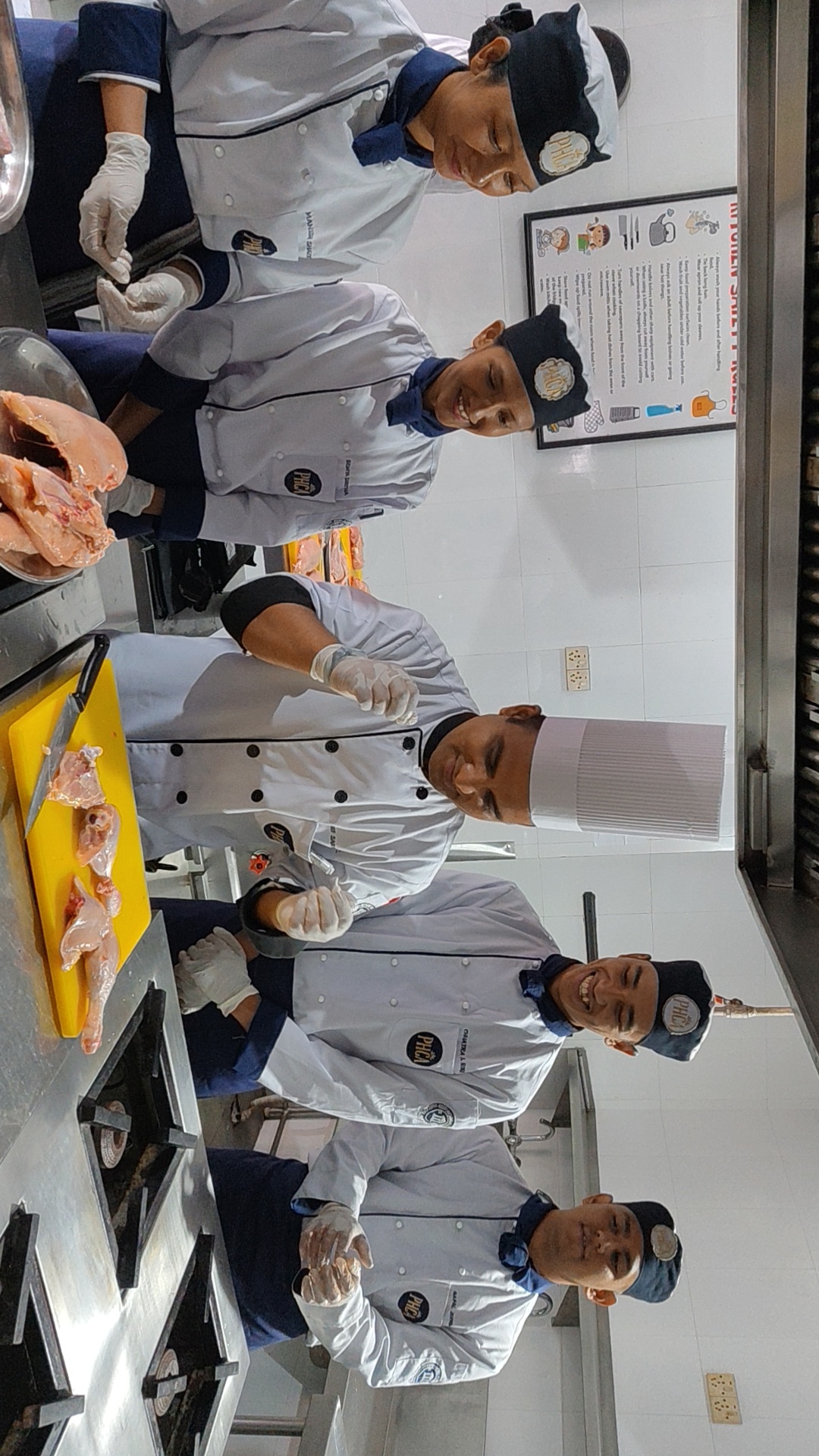
Commercial Cookery III is a Level III (Certificate III) vocational qualification in professional cooking. It focuses on one goal: to turn a beginner into a job-ready commercial cook. The Level III refers to an internationally benchmarked skill level. Many hospitality colleges in Nepal deliver it either as a CTEVT-affiliated local qualification or as a recognised stepping stone toward studying in Australia. At the Pacific Hospitality and Culinary Academy (PHCA), it is offered as the Advanced Diploma in Commercial Cookery III.
Unlike a short-term cooking course, Commercial Cookery III goes deeper. It covers essential culinary techniques, food safety standards, and kitchen operations from the ground up.
How Long Does it Take?
The Certificate III in Commercial Cookery typically takes around 800 training hours, spread over roughly 12 months. The program is usually structured in two phases.
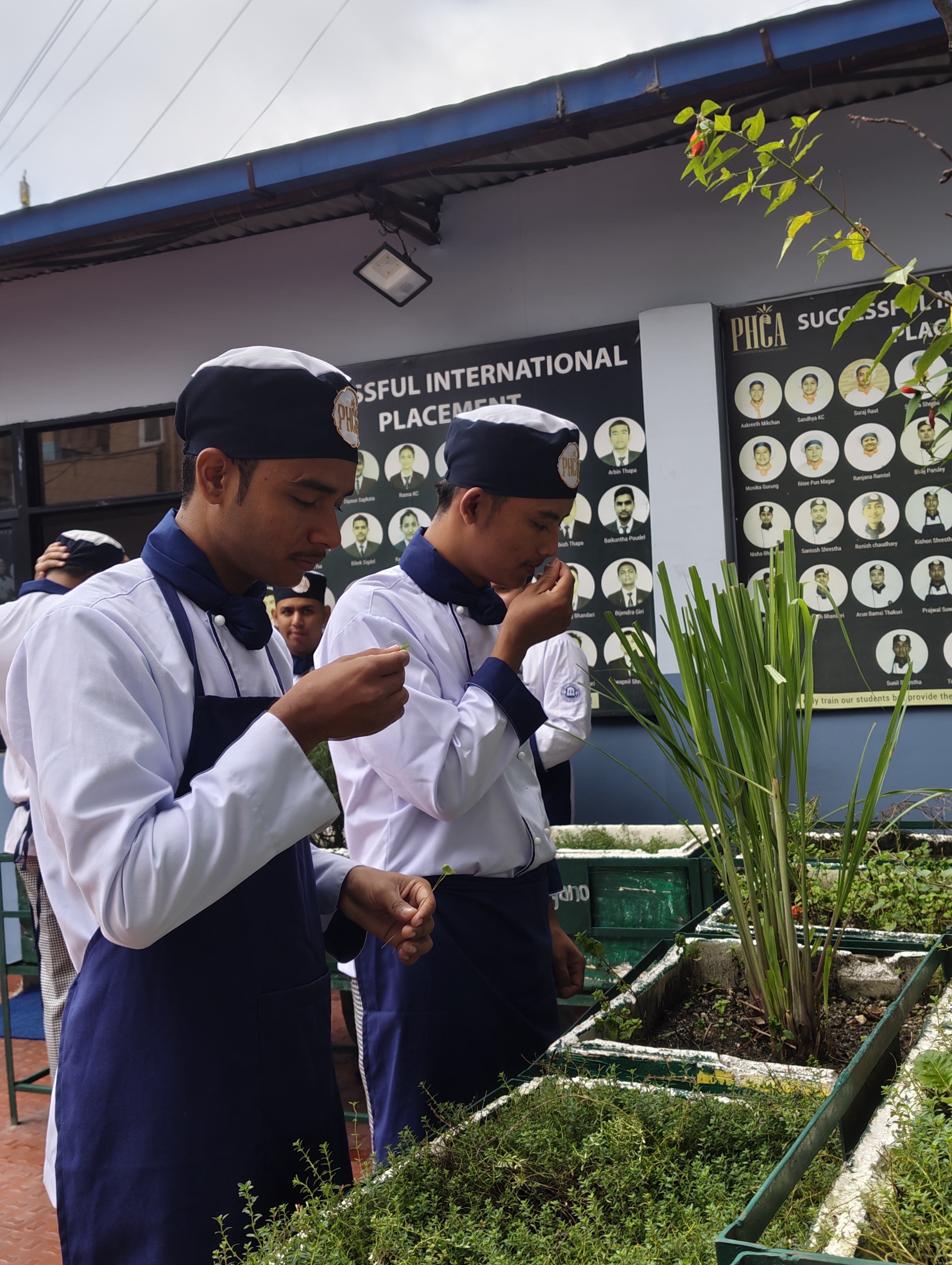
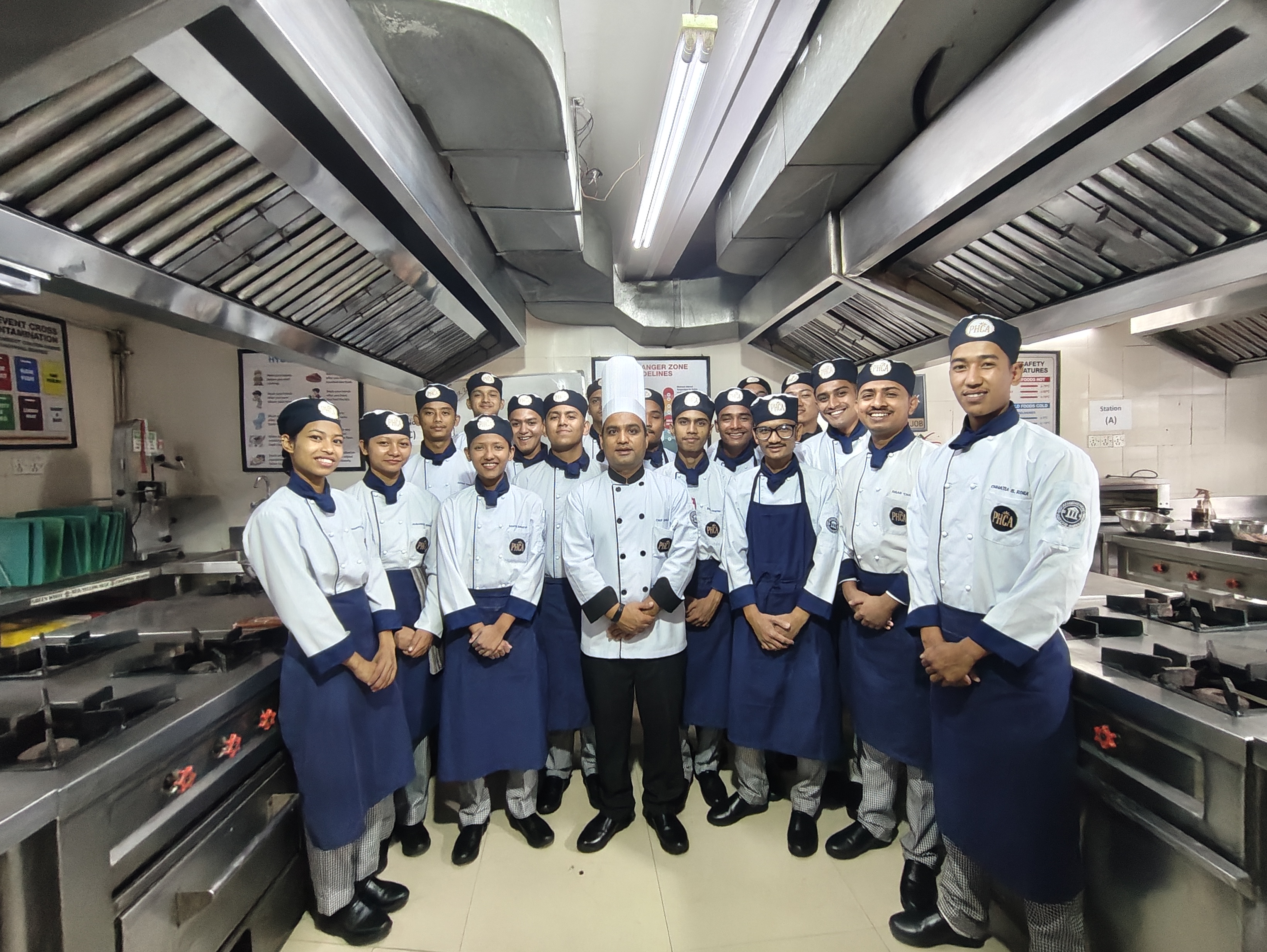
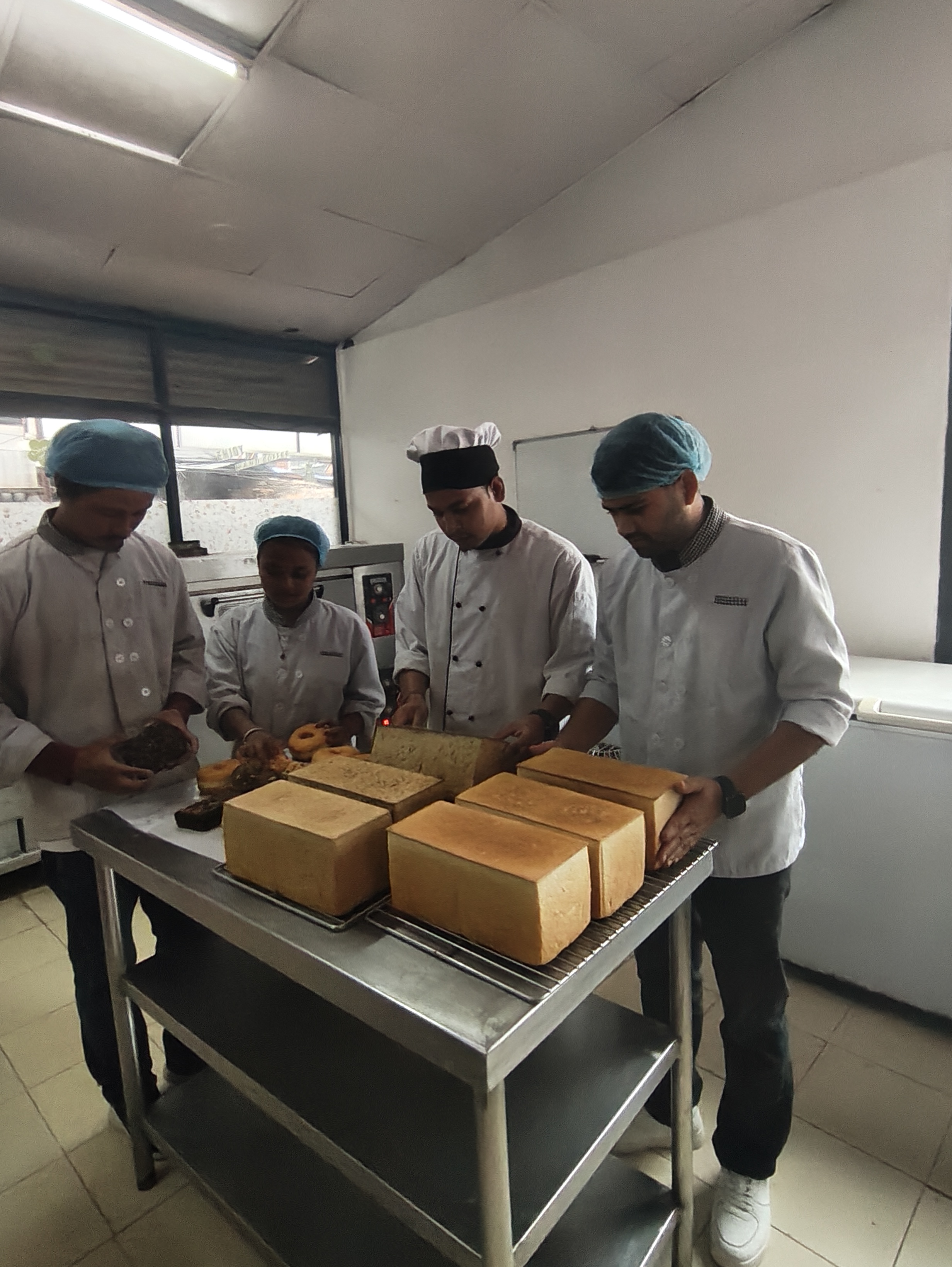
- The initial phase covers commercial kitchen operations, professional cooking techniques, food preparation and presentation, and teamwork/hospitality operations, followed by intensive hands-on kitchen labs where students actually cook and plate dishes under instructor supervision.
- The other half of the course ends with supervised on-the-job training or internship placement in a working commercial kitchen (often a hotel or restaurant partner). Some institutes split this into shorter modules or terms rather than two continuous 6-month blocks, so the exact pacing can vary by college, but the total hands-on hour count stays close to the 800-hour benchmark.
What Do You Actually Gain?
The course curriculum is built around five modules, so by the end of this program, you will learn
- Kitchen organisation and workflow, equipment handling and maintenance, kitchen safety and hygiene, and food storage and handling.
- Fundamental and advanced cooking methods, stocks, sauces, and soups, and international culinary standards.
- Menu planning and recipe development, food plating and presentation, portion control and food costing, quality control.
- Kitchen brigade and coordination, communication in a professional kitchen, customer service standards, hospitality operations
- Real kitchen experience, industry exposure, professional standards, and career guidance.
What is Certificate IV? How is it different from Certificate III?
Certificate IV in Kitchen Management is the next qualification level up from Certificate III in Commercial Cookery. Certificate III trains you to cook, whereas Certificate IV trains you to run the kitchen.
| Certificate III | Certificate IV | |
|---|---|---|
| Core Skill | Hands-on cooking skills, food prep, and kitchen basics | Leadership, staff supervision, cost control, and menu/business planning |
| Entry Point | Beginners, little/no experience needed | Usually requires Cert III or prior kitchen experience |
| Typical roles | Cook, commis chef, café cook, line cook | Kitchen supervisor, sous chef, chef de cuisine, kitchen manager |
| AQF Level | Level 3 (Foundational) | Level 4 (Advanced) |
| What You Learn | Cooking methods, food safety, hygiene, basic kitchen operations, teamwork | Staff rostering, financial and cost management, menu design, kitchen workflow, conflict resolution |
Career Paths
This qualification is a genuine entry point into the professional kitchen hierarchy. A typical progression looks like:
- Commis Chef / Line Cook: entry-level kitchen role; works a station under supervision, focusing on prep, basic cooking techniques, and learning how a professional kitchen runs day-to-day
- Demi Chef de Partie: a junior/assistant section chef; handles prep and basic cooking on a station independently, working under the Chef de Partie's guidance for more complex dishes or during busy service
- Chef de Partie (CDP): responsible for a specific section of the kitchen (sauces, grill, pastry, etc.) with full independence, responsible for that station's output, consistency, and quality during service
- Sous Chef: second-in-command of the kitchen; oversees multiple sections, coordinates the team during service, manages staff scheduling, and steps in for the Head Chef when needed
- Head Chef / Executive Chef: full kitchen leadership, menu design, staff management, and cost control; responsible for menu design, staff management, cost and supplier control, and overall food quality and consistency across the operation
Where graduates typically work in Nepal:
- Hotels and resorts in Kathmandu, Pokhara, and tourist hubs
- Independent restaurants and cafés
- Cloud kitchens and catering companies, a fast-growing segment as urban food delivery expands
- Airlines and institutional catering
Why Study Commercial Cookery III at PHCA?
Nepal's tourism and hospitality sector is expanding with new five-star properties, international hotel chains, and a growing food and beverage scene in Kathmandu and Pokhara, which means steady demand for trained kitchen staff. PHCA's Advanced Diploma in Commercial Cookery III is built specifically for this moment. It is shorter than a full Hotel Management degree, backed by real star hotel internship experience, and it ends with practical, transferable kitchen skills rather than theory alone.
What sets PHCA's program apart:
- Flexible batch schedules to fit around your circumstances
- 100% job placement assistance after graduation
- Industry-recognised certification
- Lifetime alumni network access
- A genuine 6-month internship at a star hotel in Kathmandu, not just a short work experience