Is an Advanced Diploma in Commercial Cookery Worth It for a Career Abroad?
PHCA Editorial Team
Pacific Hospitality & Culinary Academy, Kathmandu
Is a diploma in commercial cookery worth it for working abroad? See pathways to Australia & UAE and what employers check. Apply at PHCA today.
Many Nepali students consider kitchen careers in Australia, the UAE, and Europe every year, and most start with the same question: Will a commercial cookery qualification actually get me there?
For most Nepali students aiming for kitchen jobs overseas, the answer is yes. A diploma in commercial cookery develops the practical skills, food safety knowledge, and hotel experience that employers in Australia, the UAE, and Europe commonly look for. Its value depends on practical hours, industry placement, and clear documentation that can support visa applications and skills assessments. This guide covers what actually matters abroad, the steps from Kathmandu to an overseas kitchen, and the mistakes that cost Nepali cooks years.
New to the course itself? Start with our guide, What Is Commercial Cookery III? A Beginner's Guide to the Industry, which covers duration, modules, and career levels.
Where Commercial Cookery Graduates Work Abroad
The most common destinations for Nepali commercial cookery graduates are:
- Australia: Restaurants, cafés, hotels and aged-care kitchens, often through further study or skilled pathways. Cooks and chefs have consistently been among the most in-demand occupations there.
- UAE and Gulf countries: Large hotel groups, banquet operations and cloud kitchens. Five-star hotel experience at home is a strong advantage here.
- Europe, Japan and cruise lines: These are growing options, though they often require extra language skills or specific certifications.
In almost every case, employers want two things alongside your qualification: verifiable experience and English communication good enough for a busy kitchen.
Visa and skills-assessment rules change often, especially for Australia. Always check current requirements on official government websites, such as Australia's Department of Home Affairs and Trades Recognition Australia, rather than relying on agents or social media posts. PHCA is accredited by the Australian Pacific International College. Our admissions team can explain exactly what documentation your qualification includes and how graduates have used it for further study and work abroad.
Why Hotel Experience in Nepal Changes Your Chances
An international recruiter reading your CV will look for a recognisable name. A placement at an established five-star hotel demonstrates that you have experience with international hygiene standards, professional kitchen brigade structures, and high-volume service operations.
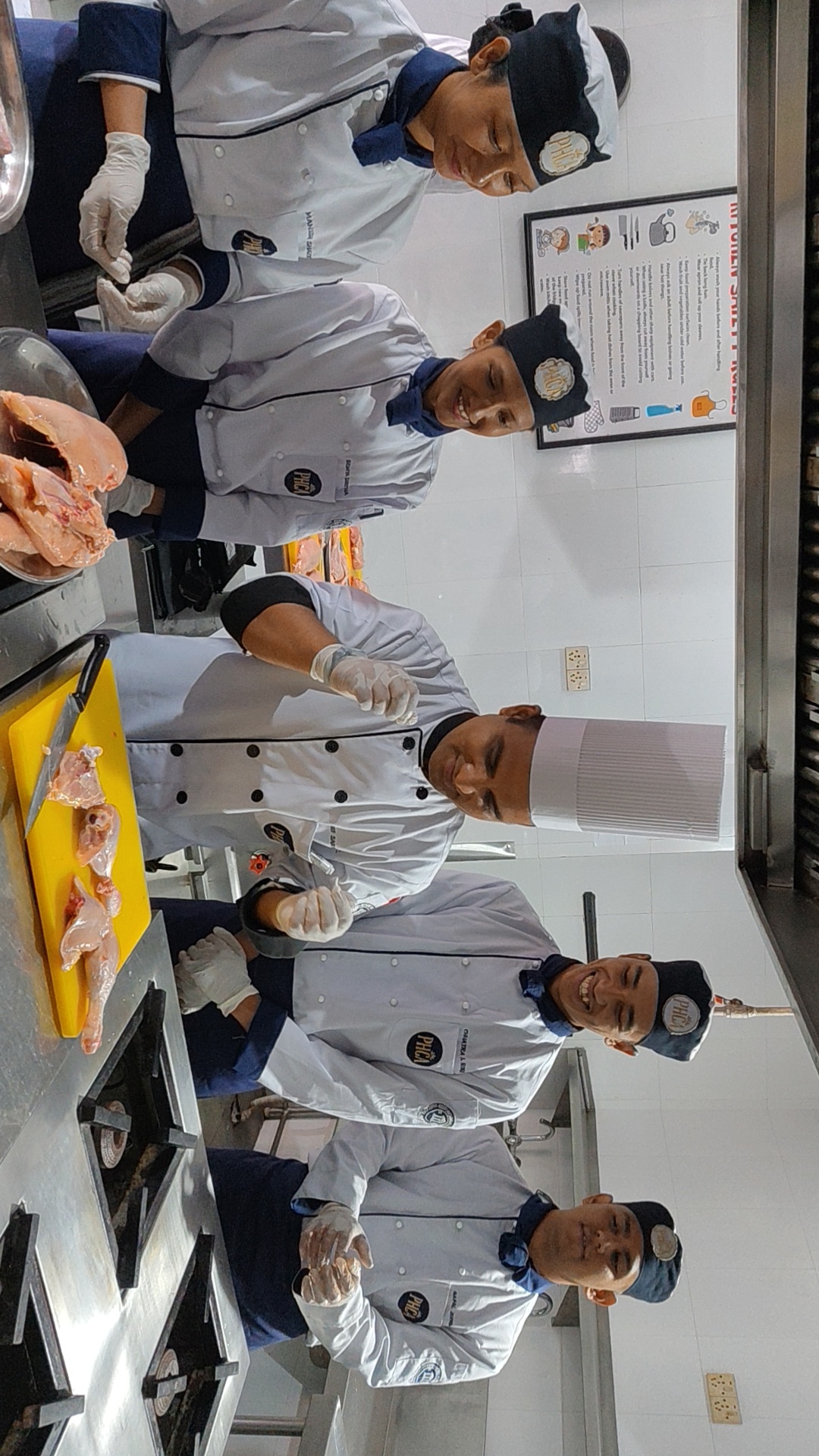
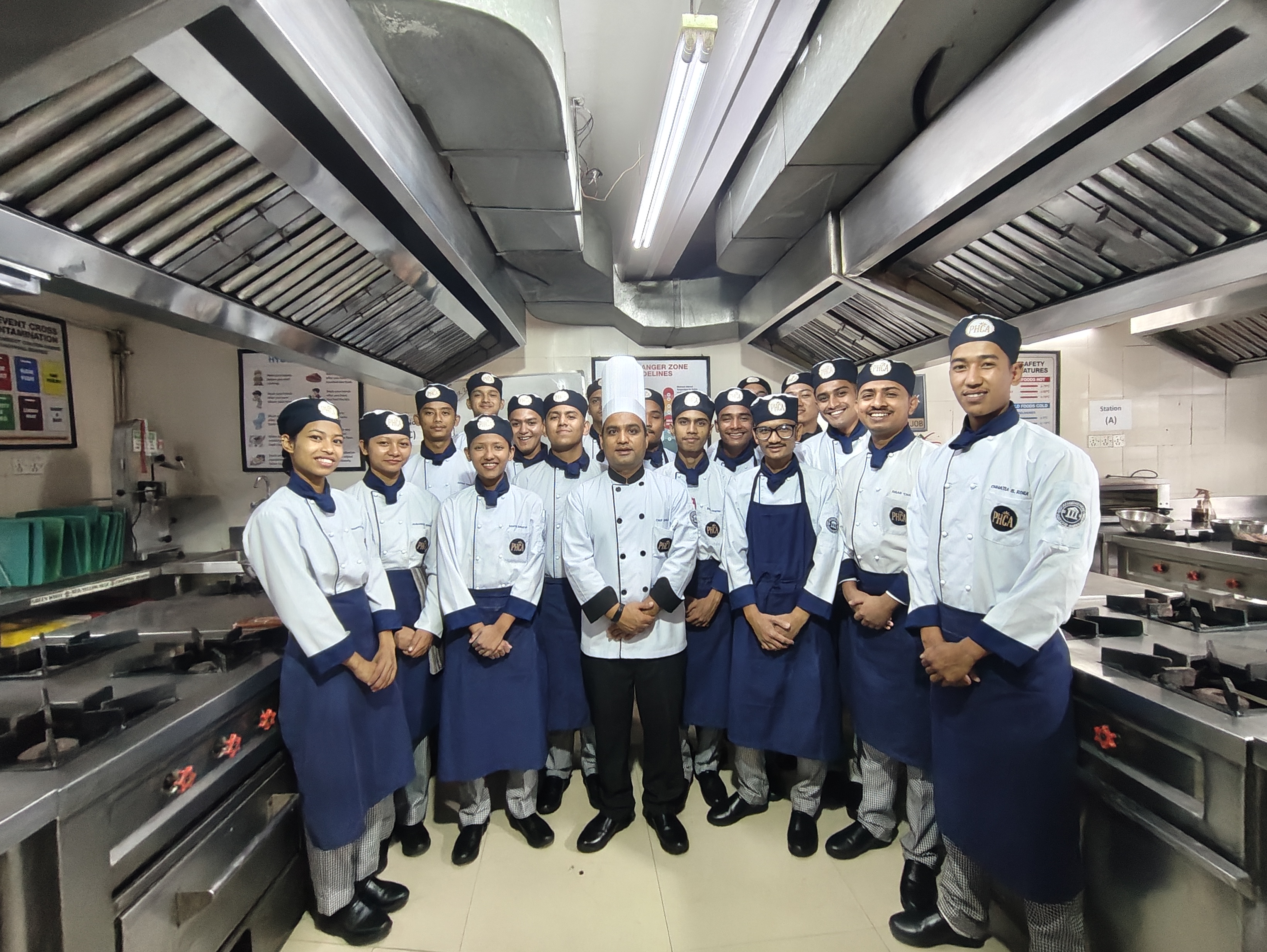
PHCA students complete their internship with five-star partner hotels, including Marriott Kathmandu, Yak & Yeti, Soaltee, The Dwarikas, and Shangri-La. Since 2016, PHCA has trained 500+ graduates with a 100% placement assistance rate. For a career abroad, this experience can make a meaningful difference in securing interviews and opening doors to international opportunities.
From Kathmandu to a Kitchen Abroad: A Step-by-Step Roadmap
- Complete your commercial cookery course and internship: Treat the internship as your first job, because it becomes your first reference.
- Build 1–2 years of paid kitchen experience in Nepal: Many overseas employers and skill-assessment pathways value relevant industry experience after qualification, not just formal training.
- Collect your evidence as you go: Keep appointment letters, payslips, and reference letters that list your duties and hours.
- Prepare for an English test early: Many study and work pathways require a minimum score.
- Pick one destination and research its current rules: Requirements across Australia, the UAE and Europe vary significantly, so it is important to research and avoid applying everywhere at once.
- Apply through legitimate channels. For foreign employment from Nepal, that means licensed agencies and a labour permit from the Department of Foreign Employment.
Common Mistakes Nepali Students Make
Most of these mistakes cost time rather than money, and time can be especially valuable when visa rules and age limits are involved.
- Choosing the shortest course. A two-month course won't give you the depth or hours employers look for.
- Not documenting your experience. Many cooks with years of real experience struggle abroad because they can't prove it.
- Ignoring English. Delaying test preparation until after your course can set your plans back by several months.
- Trusting "guaranteed job" agents. If someone asks for a large fee for a guaranteed overseas chef job, verify them with the Department of Foreign Employment first.
- Skipping food safety. Under pressure, students treat hygiene modules as theory. Abroad, one food safety failure can end a trial or a job.
Is It Worth It? A Quick Checklist
A diploma in commercial cookery is worth it for you if:
- You're prepared to work in kitchens for the long term, not just to get a visa.
- The course includes substantial hands-on training and real hotel placement.
- You'll receive clear documentation of your units and hours.
- You're willing to build solid experience and improve your English.
A career abroad starts with skills you can prove in a real kitchen. PHCA's Advanced Diploma in Commercial Cookery III combines hands-on training, Australian-accredited study and hotel internships in Kathmandu. Explore the course, or apply today to speak with our admissions team about your plans.
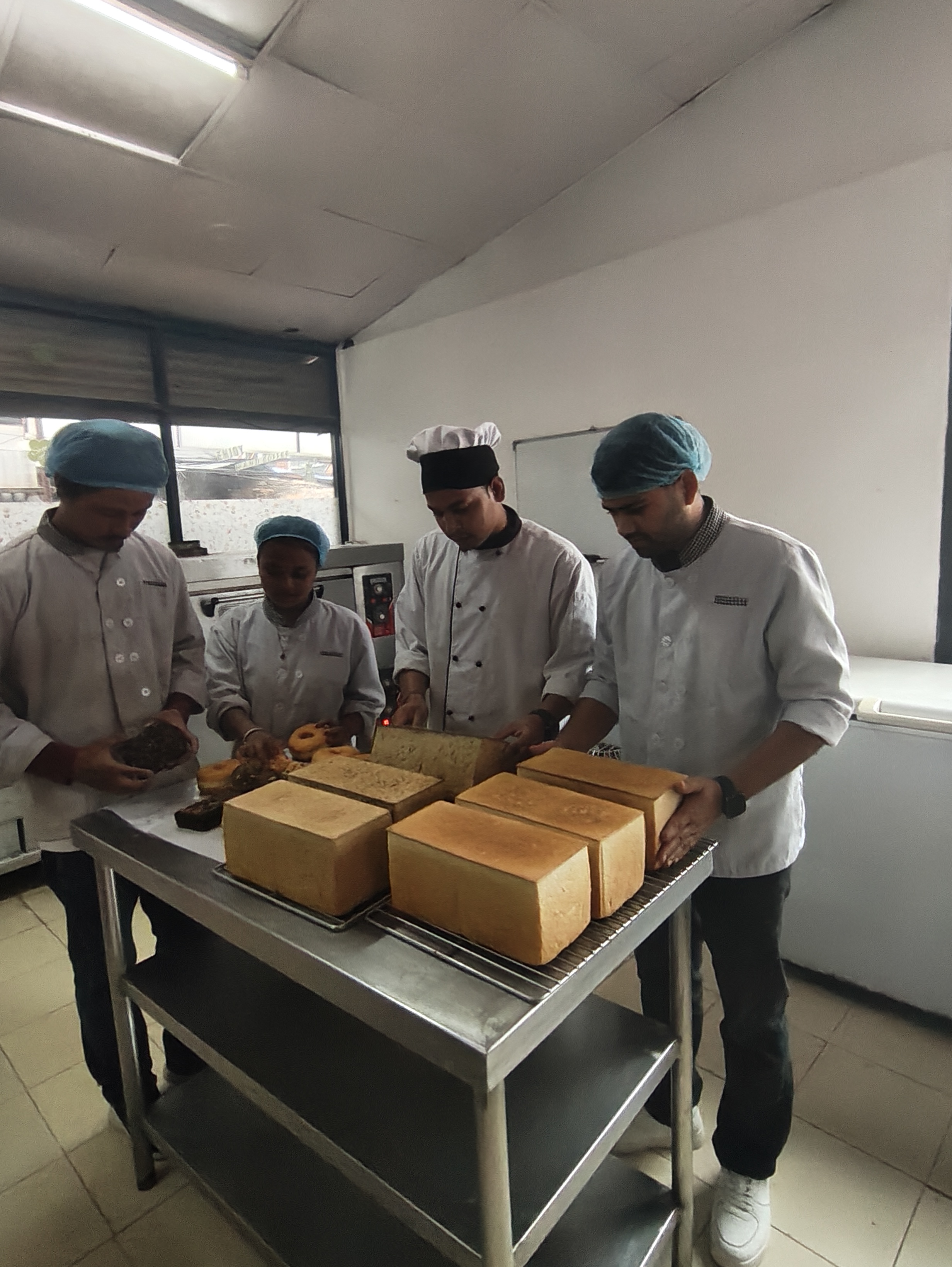
If you want the broadest training for cook and chef roles abroad, the commercial cookery pathway is the strongest choice. If you lean towards a more creative or specialised path, consider our Diploma in Culinary Arts or our shorter Bakery Course. You can add specialist skills later through our Pizza Making course or Artisan Chocolate Making Workshop.