Career Paths in Hospitality: Beyond the Kitchen
PHCA Career Services
Helping students discover and achieve their career goals
Explore diverse career opportunities in the hospitality industry including hotel management, food styling, and culinary education.
A culinary education opens doors to numerous career paths, many extending beyond traditional kitchen roles. Understanding the breadth of opportunities in hospitality helps you identify the path that best aligns with your interests, strengths, and lifestyle preferences.
Traditional Kitchen Careers
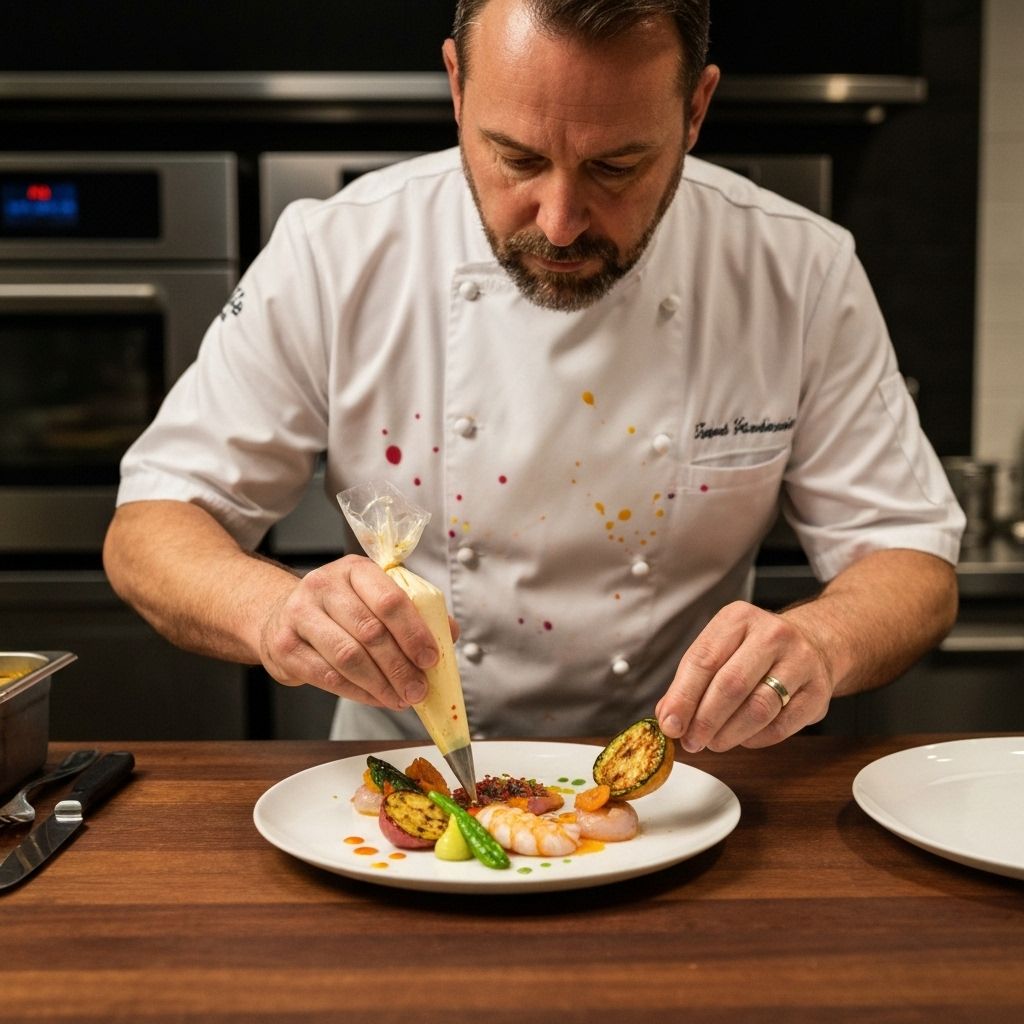
The classic progression from commis chef to chef de partie, sous chef, and eventually executive chef or head chef remains a popular path. Each level brings increased responsibility, creativity, and compensation. Executive chefs oversee entire kitchen operations, create menus, manage budgets, and lead teams.
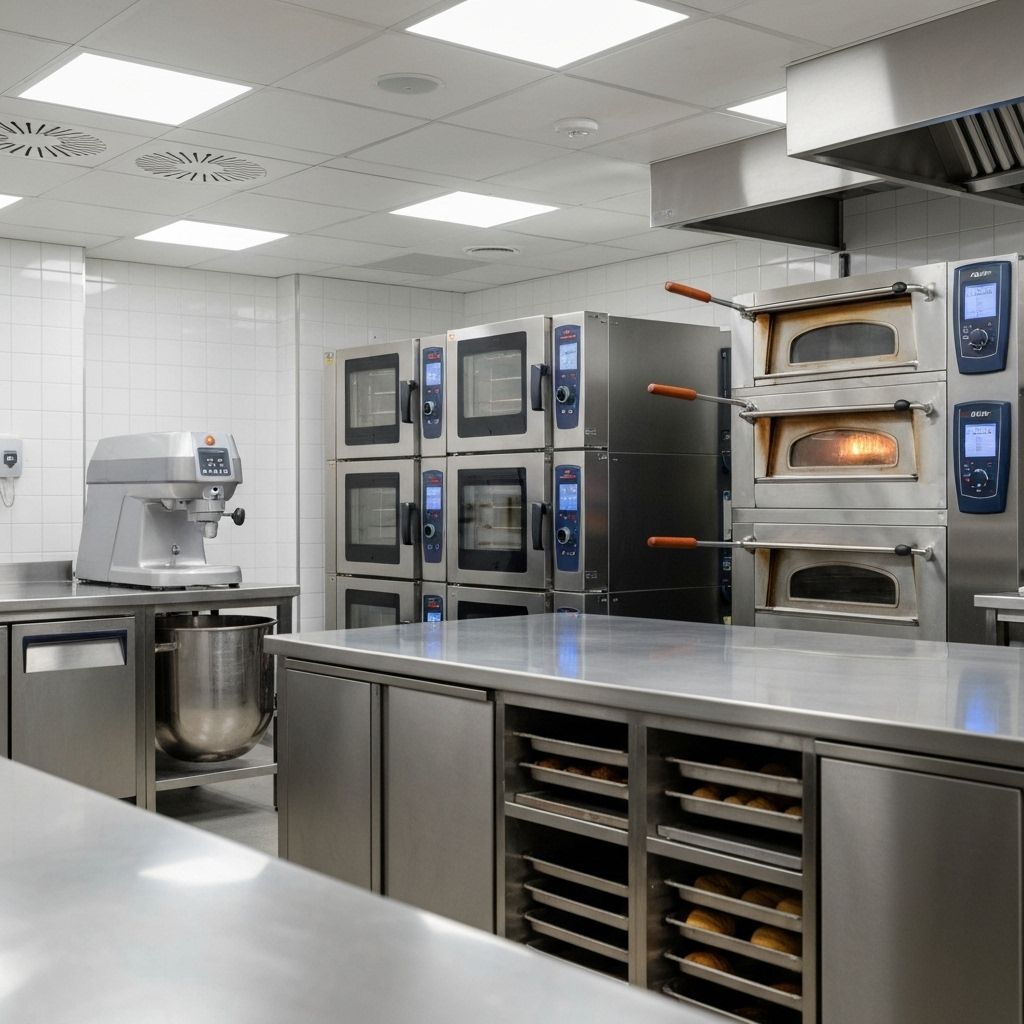
Specialty chefs focus on specific areas: pastry chefs create desserts and baked goods, butchers handle meat fabrication, and garde manger specialists prepare cold dishes and appetizers. These specialized roles allow deep expertise development in areas of particular interest.
Restaurant and Hotel Management
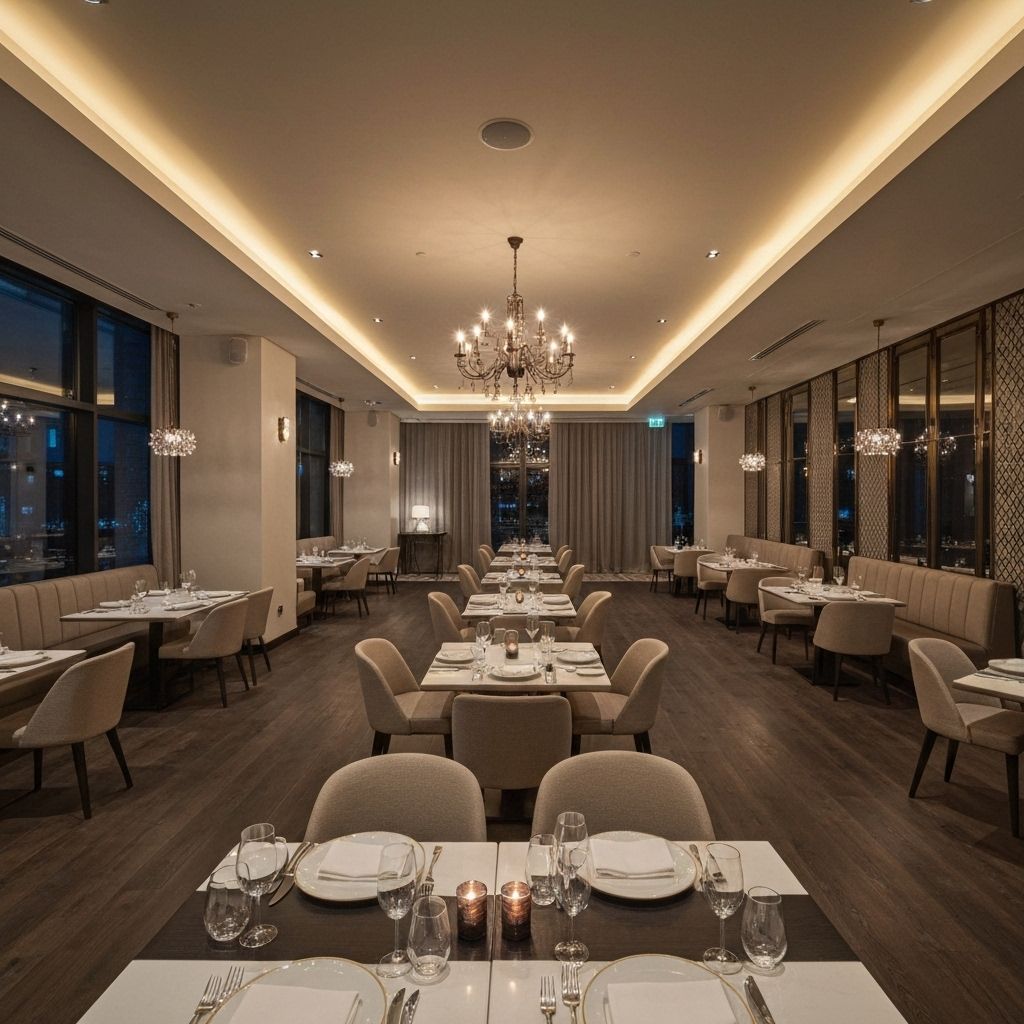
Restaurant managers oversee dining operations, handling everything from staff management to customer service and financial performance. This role requires business acumen alongside hospitality knowledge. Hotel food and beverage managers coordinate restaurants, banquets, room service, and catering operations within hospitality properties.
General managers of hotels or restaurant groups oversee entire operations. While demanding, these positions offer excellent compensation and the satisfaction of leading substantial teams toward common goals.
Food Media and Styling
Food photographers, stylists, and writers combine culinary knowledge with creative skills. Food stylists prepare dishes for photography and video, requiring both cooking ability and artistic vision. Food writers and bloggers share recipes, restaurant reviews, and culinary insights through various media platforms.
Culinary television and video production offer opportunities for chefs comfortable in front of cameras. From cooking shows to culinary documentaries, this field blends entertainment with education.
Culinary Education
Experienced chefs often transition into teaching, sharing their knowledge with aspiring professionals. Culinary instructors work in schools, cooking studios, and corporate training programs. This path allows you to shape the next generation while maintaining connection to the industry.
Demonstration chefs at appliance companies, grocery stores, or farmer's markets combine teaching with marketing. Recipe developers for food companies or publications create and test new dishes.
Entrepreneurship
Many chefs eventually pursue business ownership – restaurants, catering companies, food trucks, bakeries, or specialty food product businesses. Entrepreneurship offers creative freedom and potential financial rewards but demands business skills, capital, and willingness to accept risk.
Personal chef services cater to busy families or special dietary needs. Private chefs work for individual families or on yachts and estates. These roles often provide better work-life balance than restaurant positions.
Specialty Positions
Research and development chefs create new products for food manufacturers. They blend culinary creativity with food science knowledge. Menu consultants help restaurants develop concepts and menus. Cruise ship chefs feed thousands daily while traveling the world.
Food safety specialists ensure compliance with health regulations. Purchasing managers source ingredients for large operations. Banquet and catering coordinators plan and execute large events.
Choosing Your Path
Consider your priorities: Do you value creativity over stability? Prefer leadership or individual contribution? Want predictable hours or can handle irregular schedules? Enjoy teaching or prefer doing? Like small intimate settings or large-scale operations?
Most careers evolve over time. You might start as a line cook, transition to sous chef, then become a culinary instructor or restaurant consultant. The skills and knowledge you build transfer across roles, providing flexibility as your goals and circumstances change.
Building Your Career
Whatever path you choose, continuous learning remains essential. Attend workshops, earn certifications, and stay current with industry trends. Build a professional network through industry associations and events. Document your work through portfolios or social media. Most importantly, deliver excellent work consistently – reputation drives opportunity in hospitality.