Culinary Arts Course in Nepal: The Complete Guide
PHCA Editorial Team
Pacific Hospitality & Culinary Academy, Kathmandu
Is culinary arts the right career for you in Nepal? Explore chef jobs, which route to take, what you'll study, the kitchen career ladder and PHCA’s 6-month Diploma in Culinary Arts in Kathmandu.
Culinary arts is the professional practice of preparing, cooking, and presenting food. It goes far beyond following recipes. It requires a deep understanding of the science and techniques behind cooking. A trained cook knows how heat changes protein, why a sauce splits, and how to balance salt, acid, fat, and sweetness to create dishes with harmony, depth, and flavour.
It also covers the working side of a kitchen, including food safety, stock control, cost control, portioning, and working under a head chef's direction. In short, culinary arts transforms cooking into a disciplined profession, where food can be prepared consistently, efficiently, and at scale, while meeting the standards and expectations of paying guests.
Where a Culinary Arts Career in Nepal Can Take You
Nepal's tourism and hospitality sector keeps growing, and its kitchens need trained people. A culinary arts career in Nepal can lead to several kinds of workplaces.
- Larger hotels and resorts run several kitchens at once. They offer structure, training and a clear ladder to climb.
- Restaurants and cafes have a lively dining scene, from Newari kitchens to Italian bistros. Smaller kitchens often mean broader responsibility early on.
- Catering for events such as weddings, conferences and corporate functions needs cooks who can produce large volumes on schedule.
- Many Nepali cooks build careers in the Gulf, Asia, Europe and Australia, or at sea. Employers abroad usually look for formal training plus real kitchen experience. Always check visa rules with official government sources.
- Some cooks go on to open their own cafe, bakery, cloud kitchen or catering service.
Most cooks start as a commis chef and progress through roles such as chef de partie and sous chef toward head chef. Experience and reliability, more than anything else, move you up that ladder.
The Kitchen Career Ladder
Most professional kitchens follow the same structure. Cooks start at the bottom and move up as their skills and reliability grow.
| Roles | What they do |
|---|---|
| Commis chef | Prepares ingredients, handles basic cooking and keeps the station stocked while learning from senior cooks |
| Demi chef de partie | Helps run a section and covers it when the chef de partie is away |
| Chef de partie | Runs one section of the kitchen, such as sauces, grill or pastry, during service |
| Sous chef | Second in command; supervises the line, manages rosters and checks quality |
| Head / executive chef | Creates menus, controls costs, hires staff and sets the kitchen’s standards |
What the Work Really Demands
Cooking professionally is rewarding, but it's honest to talk about the hard parts before you commit.
- Long and unusual hours. Kitchens are busiest when everyone else is relaxing, with peak service periods falling on evenings, weekends, festivals, and public holidays.
- Physical effort. You'll stand for most of a shift, lift heavy stock pots and work near open flames.
- Pressure during service. When orders pile up, you need to stay calm, accurate and fast.
- Teamwork and hierarchy. Kitchens run on a chain of command. You'll take direction, often bluntly, especially early on.
- Starting at the bottom. Most cooks begin with basic preparation tasks, such as peeling, chopping, and cleaning. With experience, consistent performance, and reliability, they gradually take on greater responsibilities and advance in the kitchen.
If that list excites you more than it scares you, that's a good sign.
Is Culinary Arts a Good Career Choice in Nepal?
For the right person, yes. Hospitality is one of Nepal's important industries, and trained cooks are needed at home and abroad. The skills are also portable: a well-trained cook can work in almost any country.
However, success in this field requires dedication and persistence. Entry-level roles often involve basic tasks and long hours, and career progression takes time. Those who continue learning, refine their skills, and demonstrate consistency and reliability are more likely to advance in the profession.
If you're still considering this career path, speak with a working chef or visit a training kitchen. Experiencing the environment firsthand can help you understand the demands of the profession and decide whether it's the right fit for you.
What You'll Study in PHCA's Diploma in Culinary Arts
PHCA's Diploma in Culinary Arts runs for 6 months and is designed for beginners with no prior cooking experience. It's organised into four modules that move from the basics to real kitchen workflow, then let you specialise.
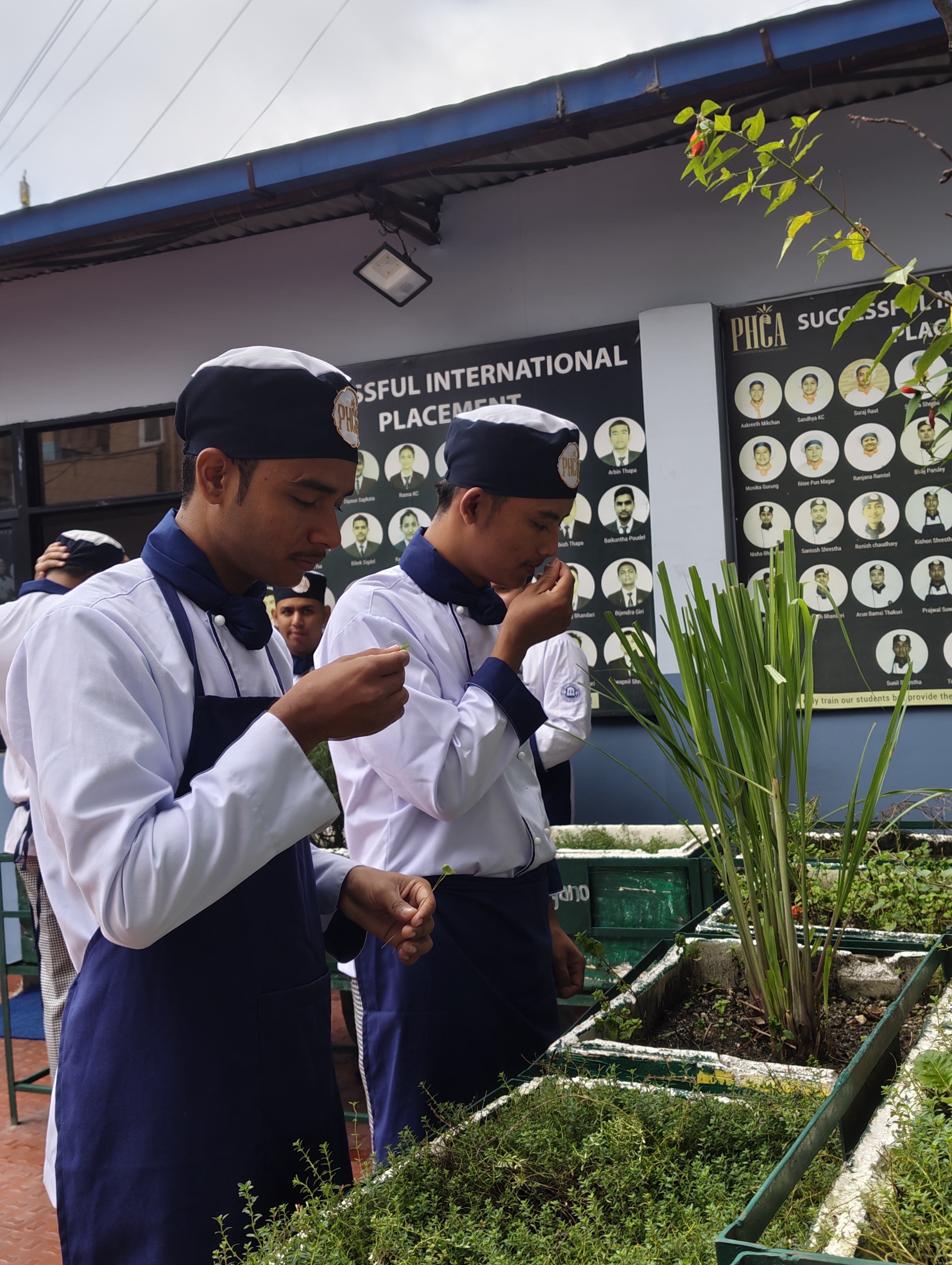
The course begins with the foundations every professional cook relies on, where you’ll learn kitchen safety and hygiene. You then build knife skills, correct food handling and the basic cooking techniques that every later dish depends on.
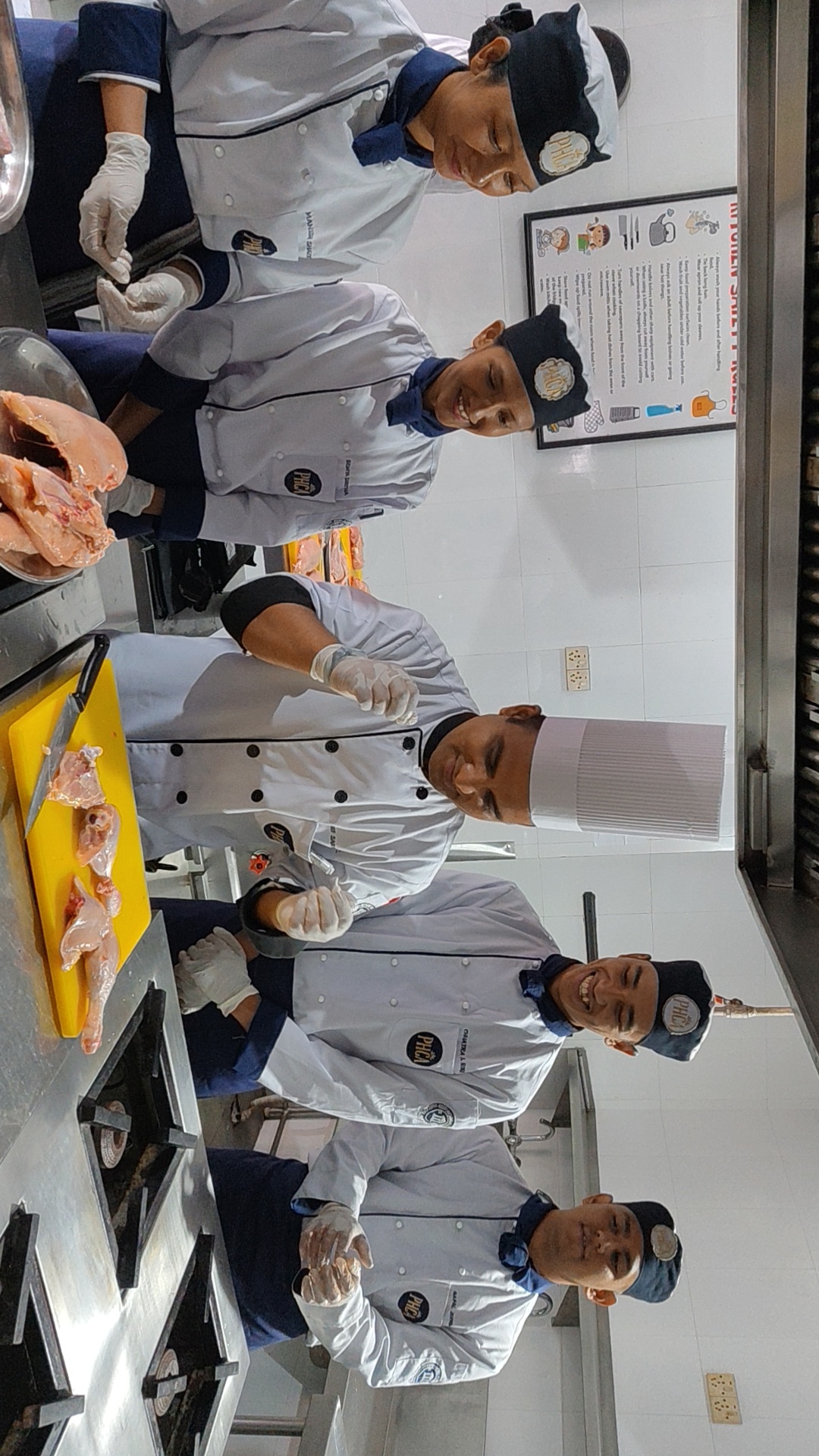
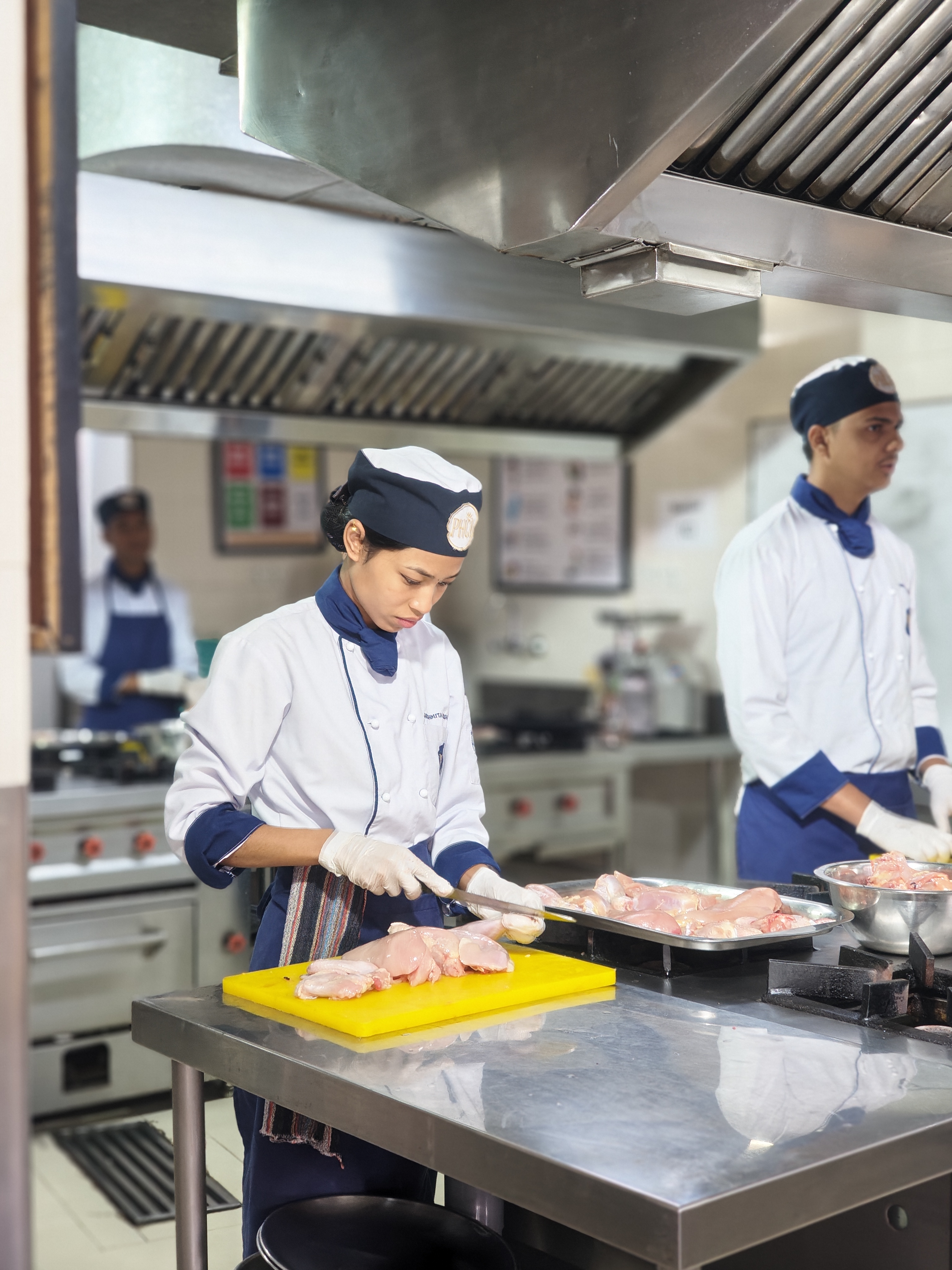
Most of the course is spent in hands-on kitchen sessions. Students prepare ingredients the professional way, practise various cooking methods and work through recipes until they can produce them consistently.
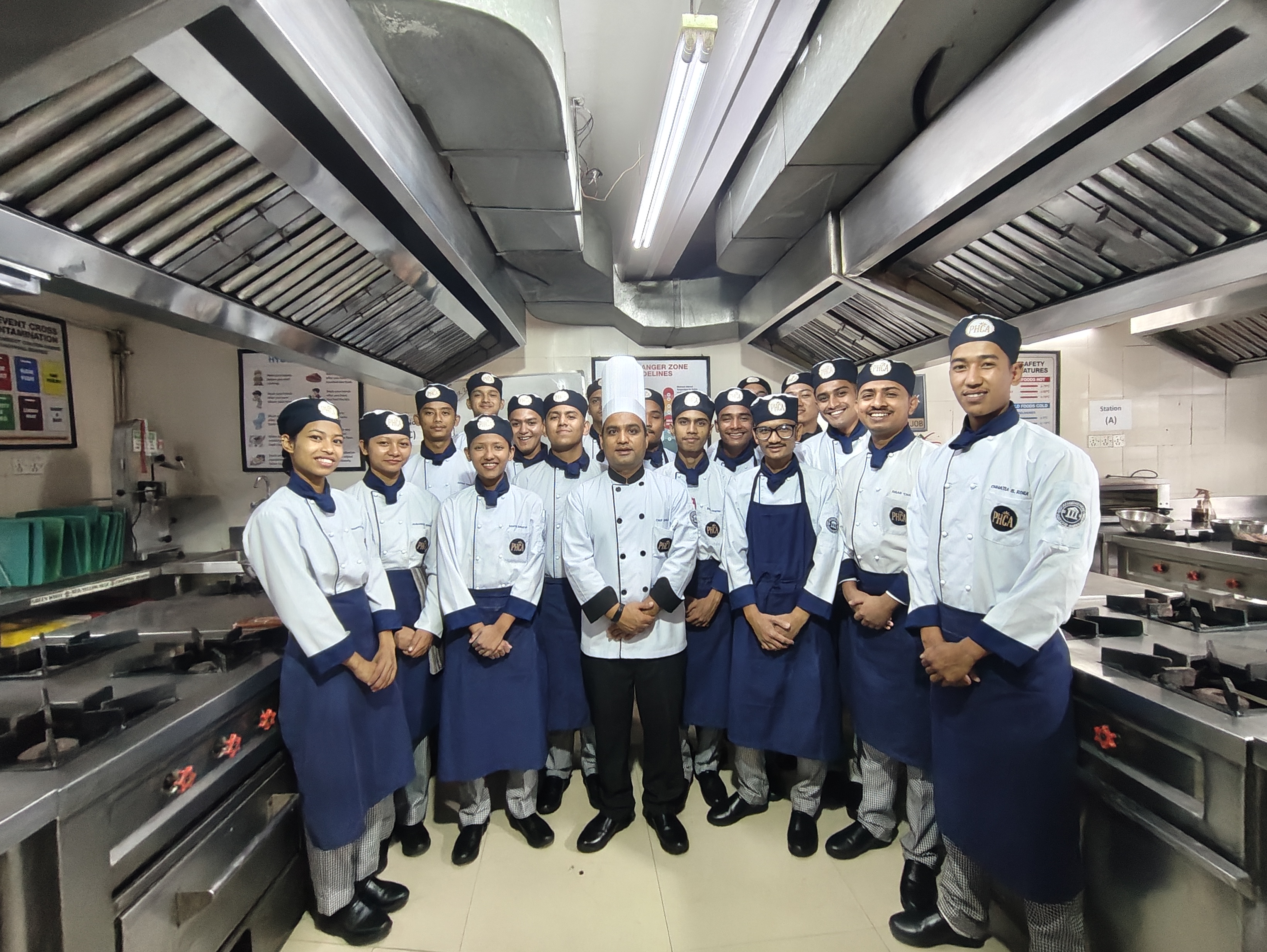
The course also prepares students for life in a real kitchen. They learn how restaurant and hotel kitchens are organised, how orders move during service and how a kitchen team works together.
To finish, students choose a specialisation in Bakery or Food & Beverage Service. Bakery introduces doughs, precise measuring and oven control, while Food & Beverage Service covers the fundamentals of serving guests in the dining room. Either option adds a skill set that broadens graduates' job options and helps them stand out in Nepal's hospitality market.
Start Your Culinary Career at PHCA
If this guide has you picturing yourself as a chef, the next step is to see a professional kitchen up close. Explore PHCA’s Diploma in Culinary Arts, or Contact the Admissions Team.